Medicines, Hormones, and Health Questions Behind Lower Desire
How to map changes in desire across medicines, hormones, mood, sleep, health, substances, and relationship context—and prepare a clearer conversation with a qua...
Medicines and hormones can be relevant when a man's sexual desire changes, but they are only part of the picture. Mood, stress, sleep, health, alcohol or other substances, relationship context, and erection concerns can also shape desire. A useful next step is to map the change and discuss it with a qualified clinician instead of choosing a cause from one symptom.
Start by defining what changed
“Low libido” can mean fewer sexual thoughts, less interest in initiating, less responsive desire once intimacy begins, or a mismatch between your interest and a partner's. It is different from wanting sex but having difficulty getting or keeping an erection. See Low Libido vs. Erectile Dysfunction for that distinction.
The European Association of Urology describes sexual desire as involving intertwined biological, psychological, and cultural components. Its guidance lists possible contributors including androgen deficiency, elevated prolactin, depression, anxiety, relationship conflict, antidepressant use, erectile dysfunction, and other illness (EAU).
Before searching for a single explanation, write down the onset, pattern, level of concern, and whether the change appears everywhere or only in certain situations.
Use a body-mind-relationship-context map
Area | Questions worth recording | Who may help interpret them |
Body | illness, pain, fatigue, sleep, weight or metabolic change, erection or orgasm changes | primary care or an appropriate specialist |
Mind | low mood, anxiety, grief, overload, trauma response, persistent worry | clinician or qualified mental-health professional |
Relationship | conflict, resentment, unequal pressure, loss of emotional safety, desire mismatch | couple conversation or qualified relationship/sexual-health support |
Context | privacy, work schedule, travel, caregiving, alcohol, recreational substances, new routine | you, your partner, and a clinician when health is involved |
Medicines and hormones | new prescription, dose change, timing, endocrine symptoms, prior test results | the prescriber or qualified clinician |
The map is a preparation tool, not a scoring system. Several areas can matter at the same time.
Review medicines with the prescriber
UCSF advises that an evaluation of decreased libido may include a full medical and sexual history, relationship context, and a review of prescription, over-the-counter, and recreational substances. Its patient guidance specifically notes that some antidepressants and blood-pressure medicines can be relevant (UCSF).
Individual effects vary. The useful questions are concrete:
· Did desire change after a medicine was started or its dose changed?
· Did sleep, mood, erection, orgasm, or energy change at the same time?
· Does the effect vary with dose timing?
· What benefit is the medicine providing, and what alternatives might the prescriber consider?
Bring the medicine name, dose, start date, supplements, and any nonprescription products. Do not stop or change a prescribed medicine on your own. MedlinePlus specifically advises consulting the provider before changing medicine because of sexual effects (MedlinePlus).
Low desire does not prove low testosterone
Testosterone can matter, but desire cannot be read directly from one feeling or one number. EAU guidance says testosterone is important to sexual desire while also noting that circulating levels and desire are not simply related in every man, particularly with age (EAU).
MedlinePlus lists reduced sex drive among possible reasons a clinician may order testosterone testing, while emphasizing that a testosterone result alone cannot diagnose a health condition (MedlinePlus).
If hormone evaluation is appropriate, ask what is being tested, why the timing matters, what other symptoms are relevant, and how results will be interpreted alongside your history. Avoid treating an online symptom list as a laboratory conclusion.
Mood, fatigue, and health deserve equal space
Mayo Clinic notes that stress, depression, fatigue, alcohol or drug use, endocrine problems, and medicine effects may contribute to loss of sex drive, and it advises discussing a sudden loss with a healthcare professional (Mayo Clinic).
Ask yourself whether lower desire arrived with:
· persistent sadness, worry, irritability, or loss of interest beyond sex;
· major sleep disruption or exhaustion;
· a new diagnosis, pain, injury, or recovery period;
· changes in alcohol or other substance use;
· erection or ejaculation concerns that make intimacy feel like a test.
These clues can help a clinician decide what assessment fits. Seek urgent local help for an immediate mental-health crisis or other acute symptoms.
Relationship strain can be a contributor and a consequence
Lower desire may create distance at home, but blame usually hides useful information. One partner may feel pressured; the other may feel rejected. Repeated arguments can then make desire feel even less available.
Try:
“My interest has changed, and I want to understand the full context. This is not a verdict on your attractiveness. Can we talk about pressure, affection, timing, and what feels comfortable while I gather accurate information?”
If the main issue is different preferred frequencies, read Different Levels of Desire in a Couple. Consent remains necessary in every encounter; a desire difference does not create an obligation.
Bring a six-line discussion brief
Record:
1. Change: what lower desire means to you.
2. Timeline: sudden or gradual, and when it began.
3. Pattern: across situations or limited to certain contexts.
4. Related changes: mood, sleep, energy, erection, ejaculation, orgasm, pain, or illness.
5. Inputs: prescriptions, over-the-counter products, supplements, alcohol, and other substances.
6. Impact: personal distress, avoidance, partner tension, and what outcome you want.
Ask the clinician which causes are plausible, which history or tests are appropriate, whether medicine review is needed, and when to follow up. UCSF recommends careful consultation before testosterone treatment and a detailed evaluation of the possible causes of decreased libido (UCSF).
Keep the routine private and deliberate
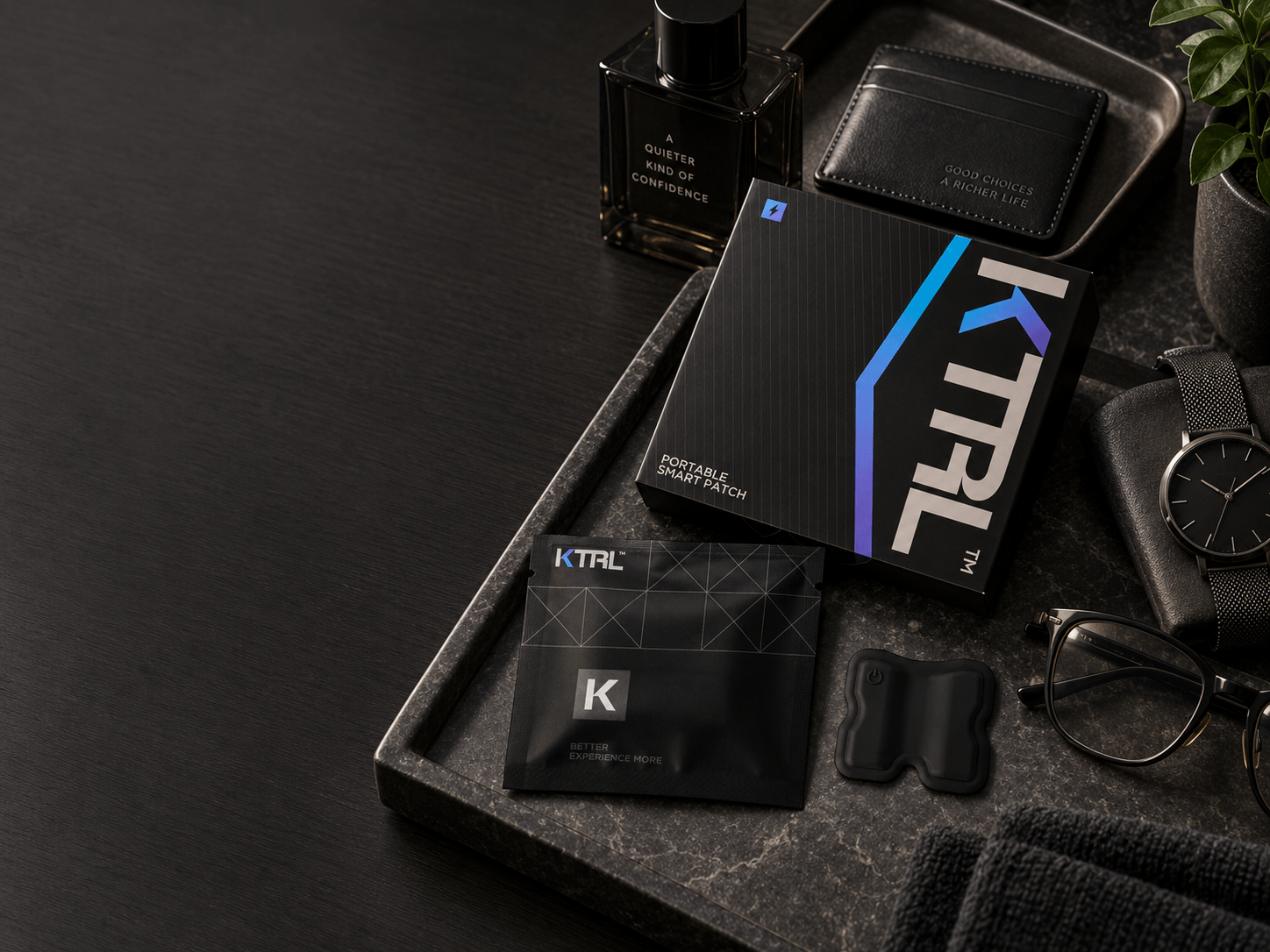
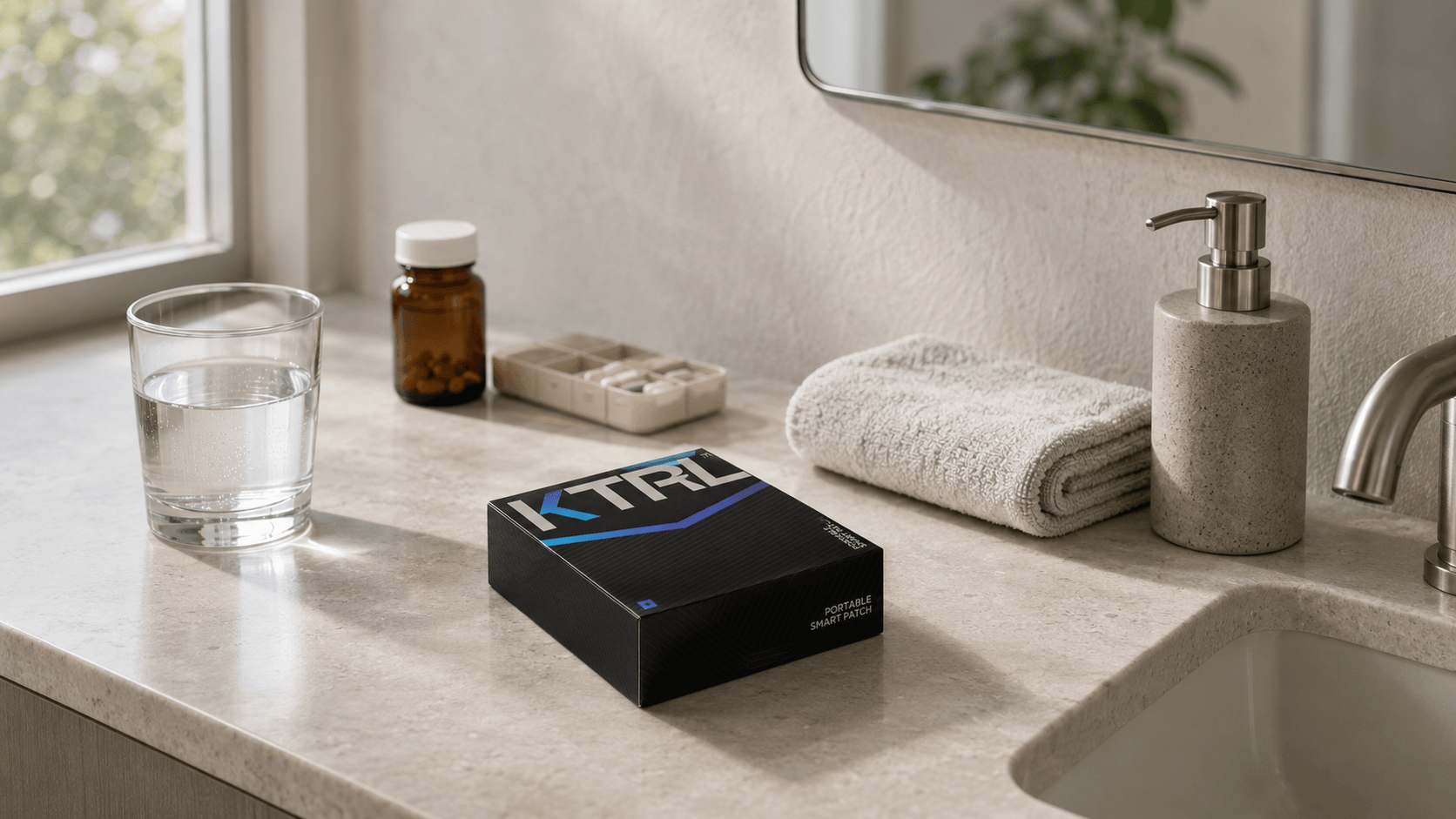
A structured adult wellness routine can create space for observation, comfort, and a calmer conversation while you follow the appropriate health plan. The discreet male wellness routine guide explains how to organize timing, instructions, and privacy. KTRL's rhythmic physical sensation and one-session format can be considered as an optional part of that routine.
Join the email list for practical, no-shame education and verified product information.
KTRL Portable Smart Patch is a consumer lifestyle product for adult external use; it is not intended to diagnose or treat a medical condition, individual experiences vary, and users should follow the printed instructions and seek qualified professional advice for persistent or distressing concerns.
Frequently asked questions
Can antidepressants affect male desire?
Some antidepressants can be relevant, but individual effects and clinical tradeoffs differ. Discuss timing, dose, benefits, and sexual changes with the prescriber rather than changing treatment alone.
Does low libido mean low testosterone?
No single symptom establishes a hormone condition. A clinician interprets symptoms, history, examination when appropriate, and properly ordered testing together.
Should I buy a testosterone supplement first?
Start with qualified assessment. Unsupervised products can distract from medicine, mood, relationship, sleep, or health factors that deserve review.
What if desire is only lower with my partner?
Situational change is still useful information. Explore pressure, conflict, safety, novelty, privacy, attraction, and the wider relationship without assigning blame.
Comments (0)
Please login to comment.
No comments yet.