

Featured·News
KTRL News feature on time, privacy, and modern personal control
Today, for a discerning group of modern men, luxury has taken on a new form—control over one’s own time, attention, and privacy.
KTRL·June 15, 2026·4 MIN READ
Perspectives on personal technology, thoughtful design, modern routines, and the value of staying in control of your own experience.
Today, for a discerning group of modern men, luxury has taken on a new form—control over one’s own time, attention, and privacy.

Separating situational loss of firmness, recurring erection concerns, KTRL's role, and tadalafil use
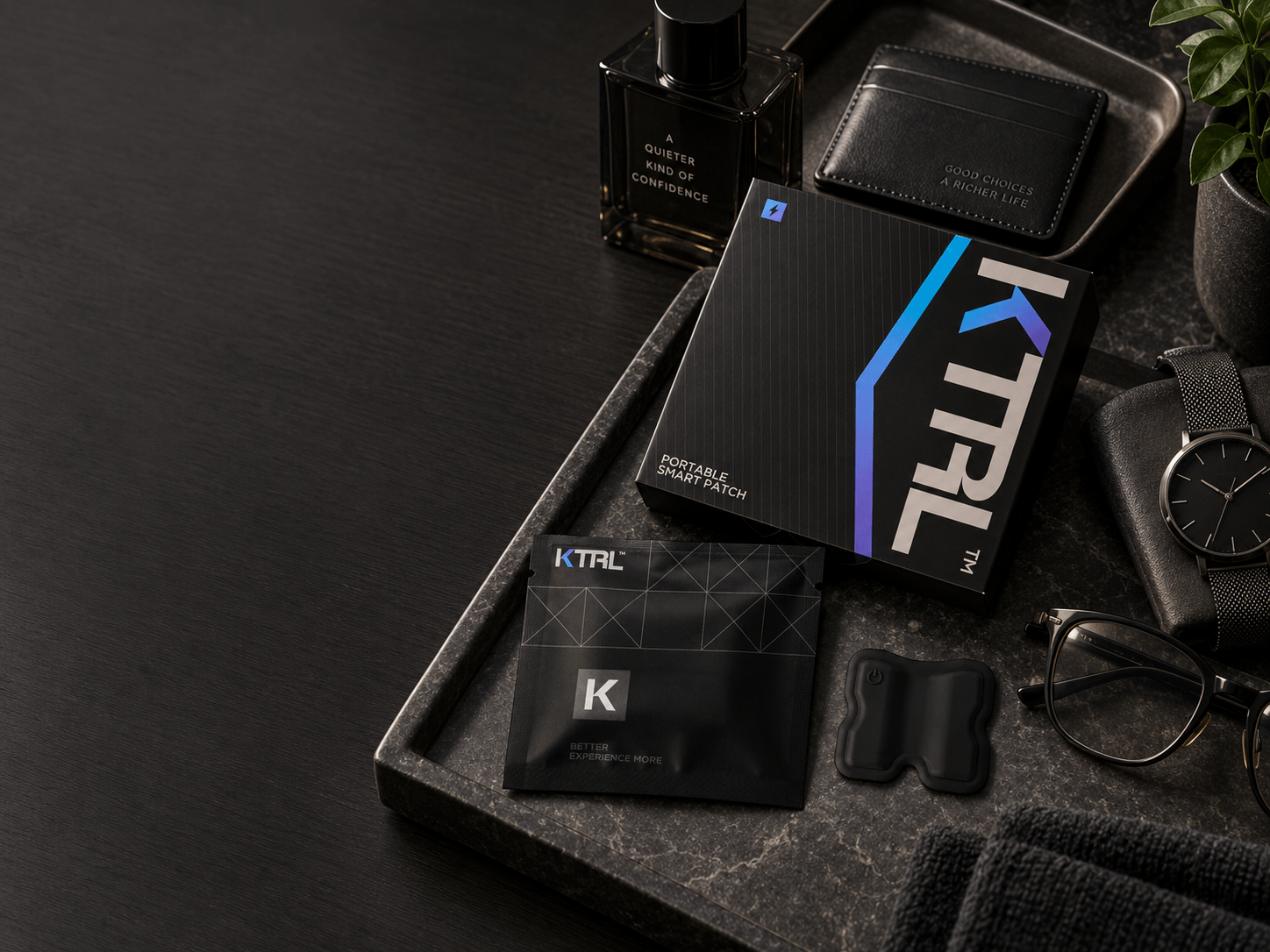
Separating sexual desire, erection difficulty, KTRL's sensory role, and sildenafil use
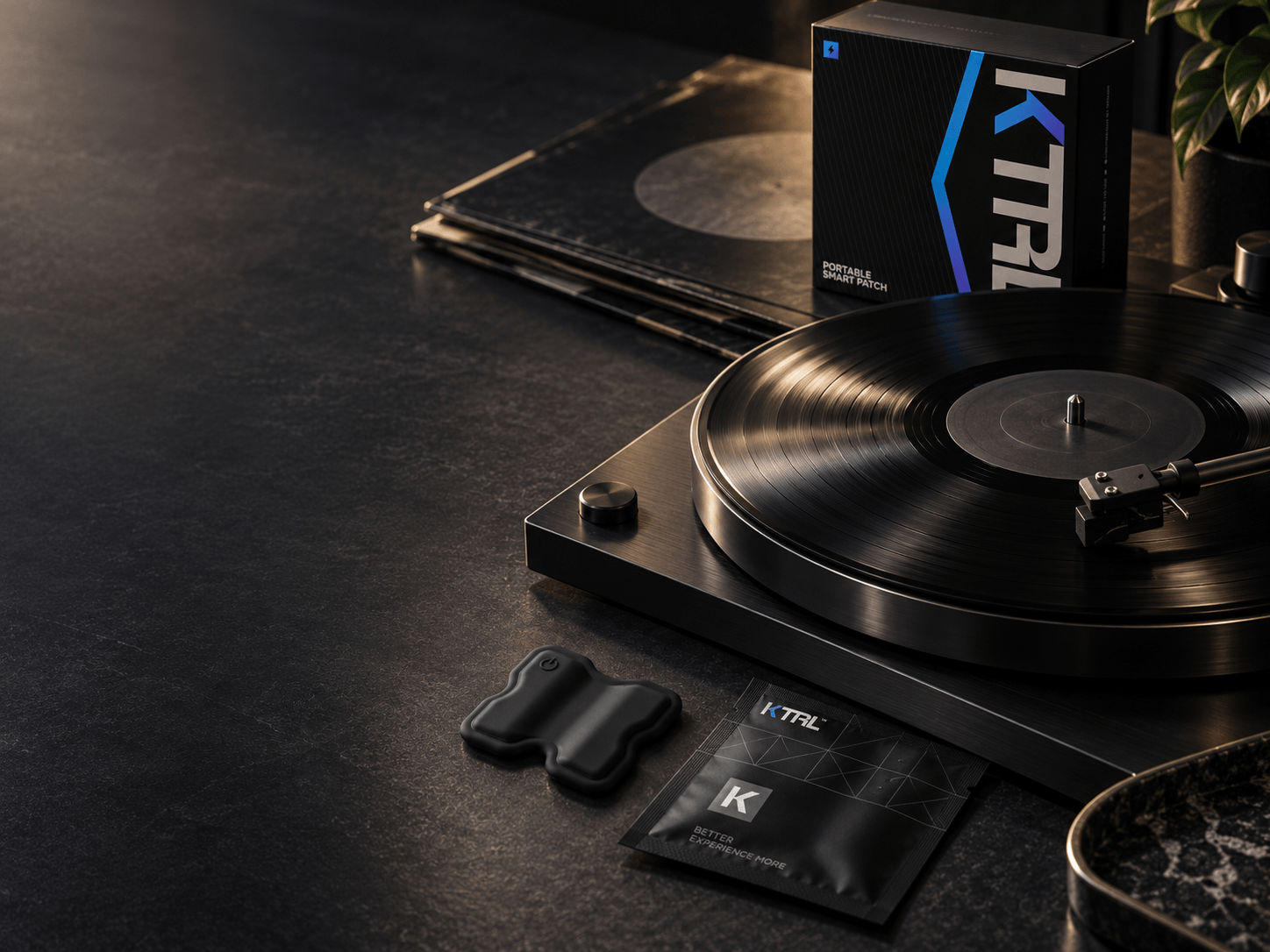
How to judge KTRL by sensory value when duration stays the same
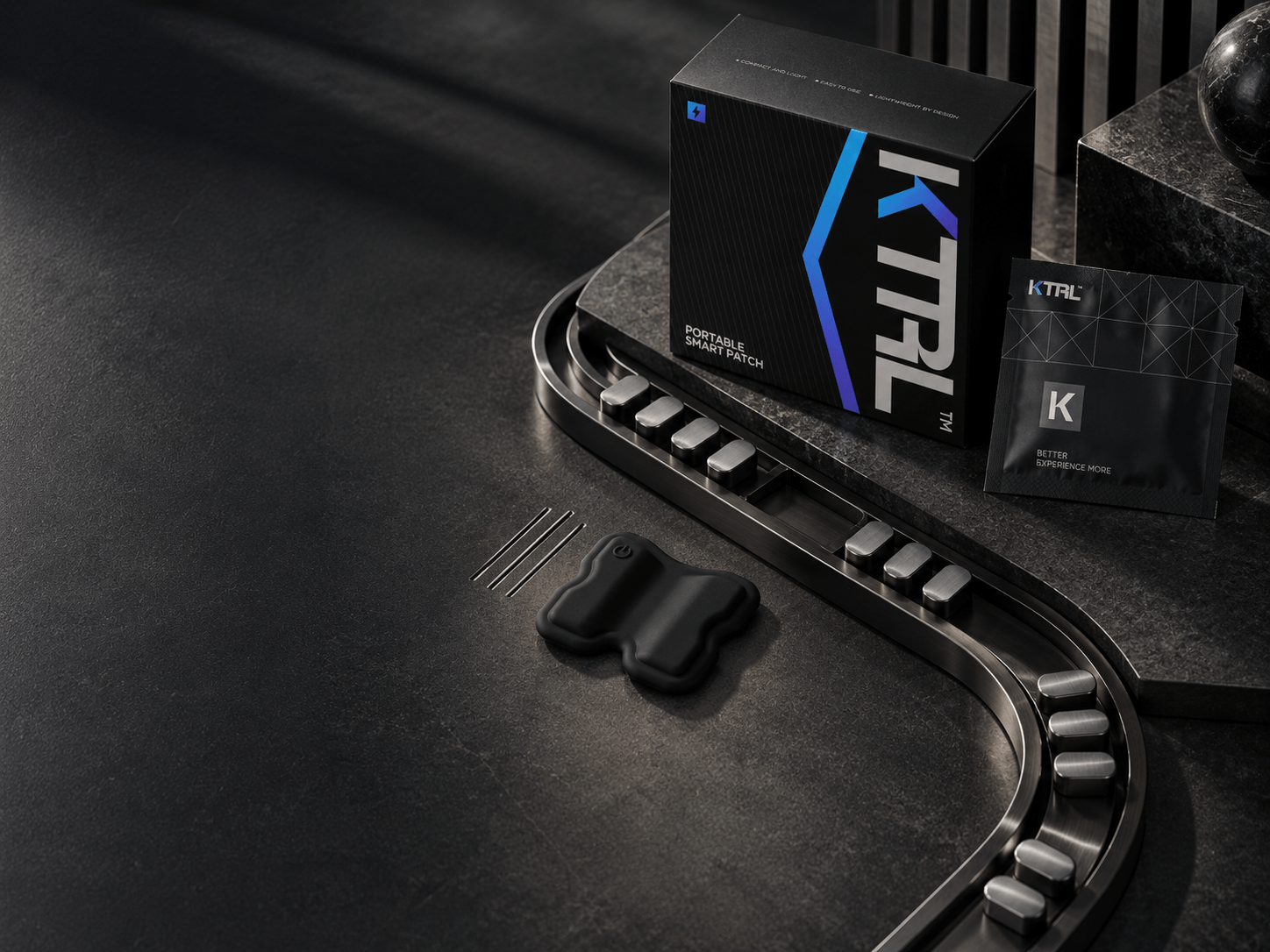
A practical way to pair KTRL's rhythmic cue with slower pacing and planned pauses
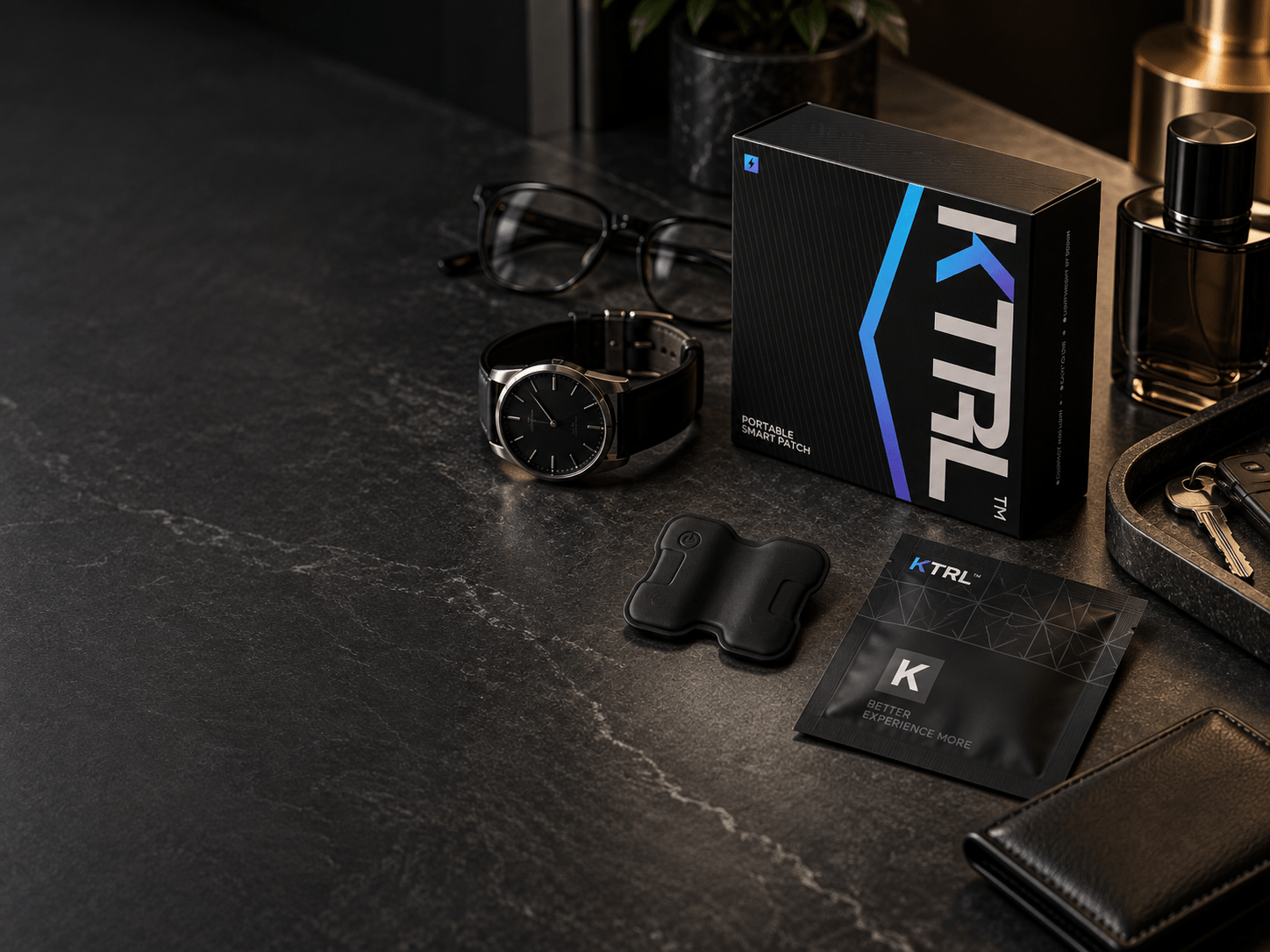
Why KTRL can fit sensory exploration and pacing even without a PE diagnosis

Using a steady sensory cue to track changes in arousal without turning it into a test
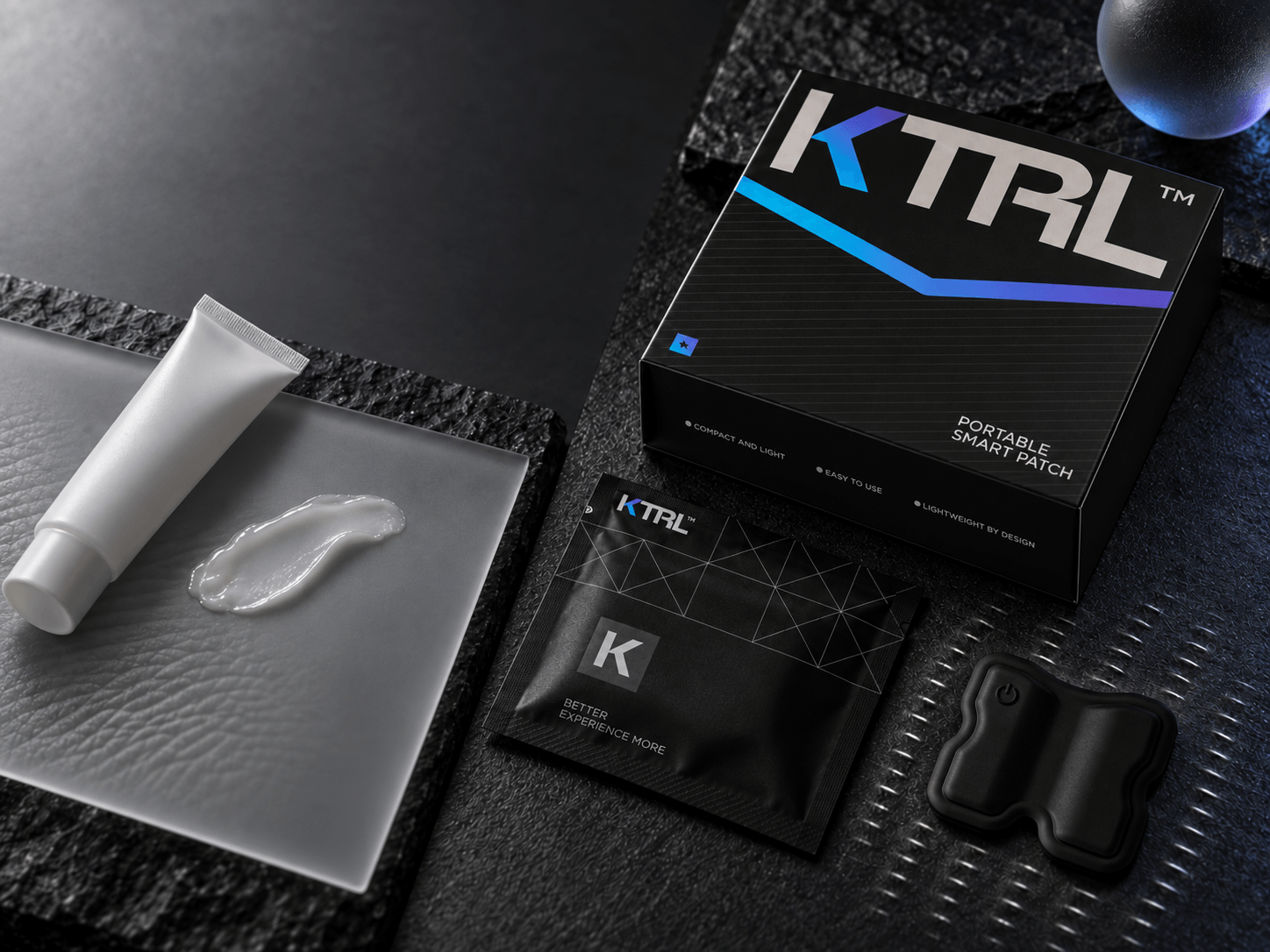
How KTRL differs from topical numbing sprays and creams

A practical vocabulary for describing KTRL's repeating physical cue

A practical guide to separating sensation from sexual-function outcomes

How to separate sensory effects from pacing and timing expectations
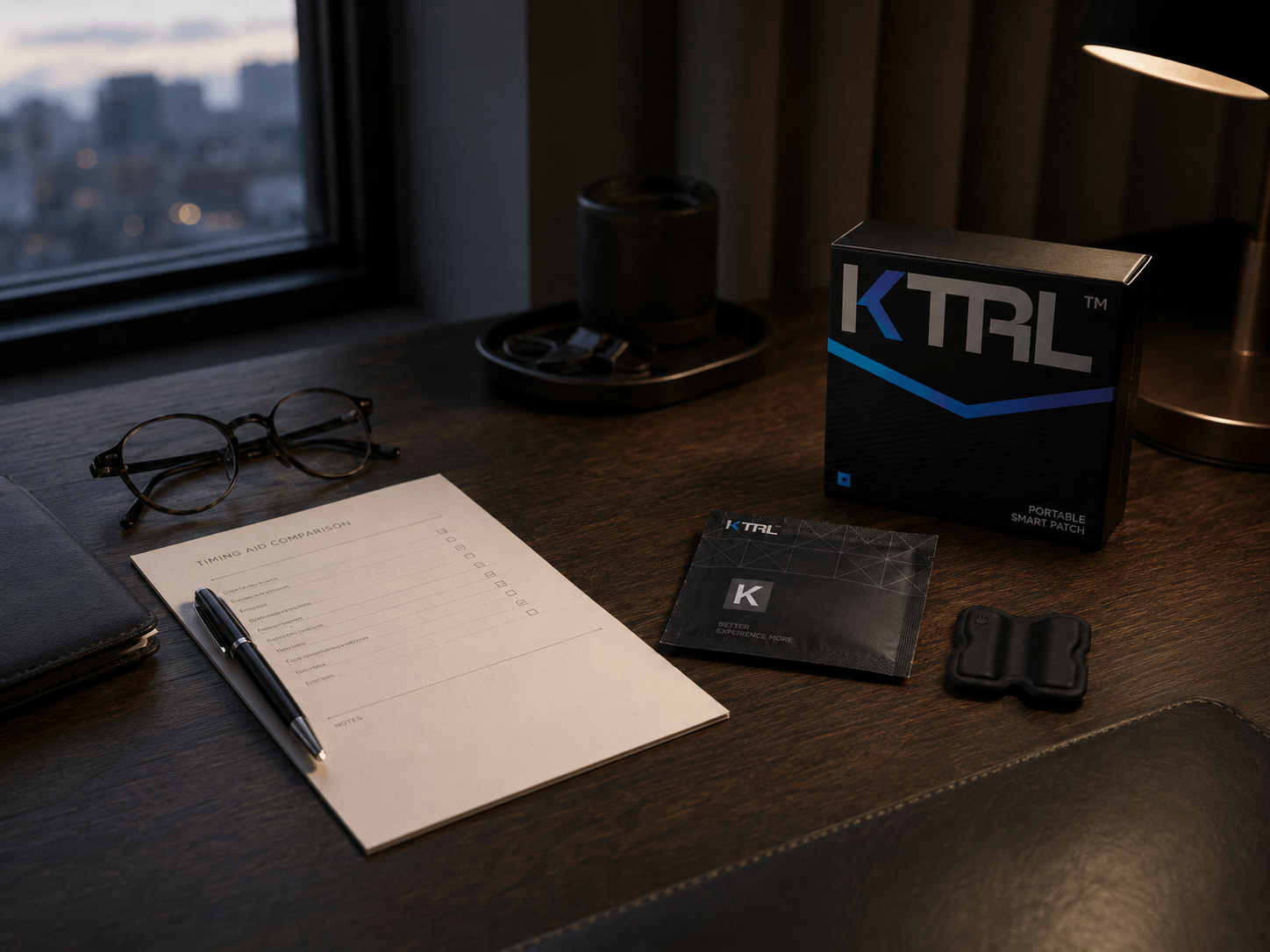
A practical guide to comparing KTRL, delay sprays or creams, condoms, medicines, and behavioral strategies by sensation, preparation, protection, and side-effect profile.
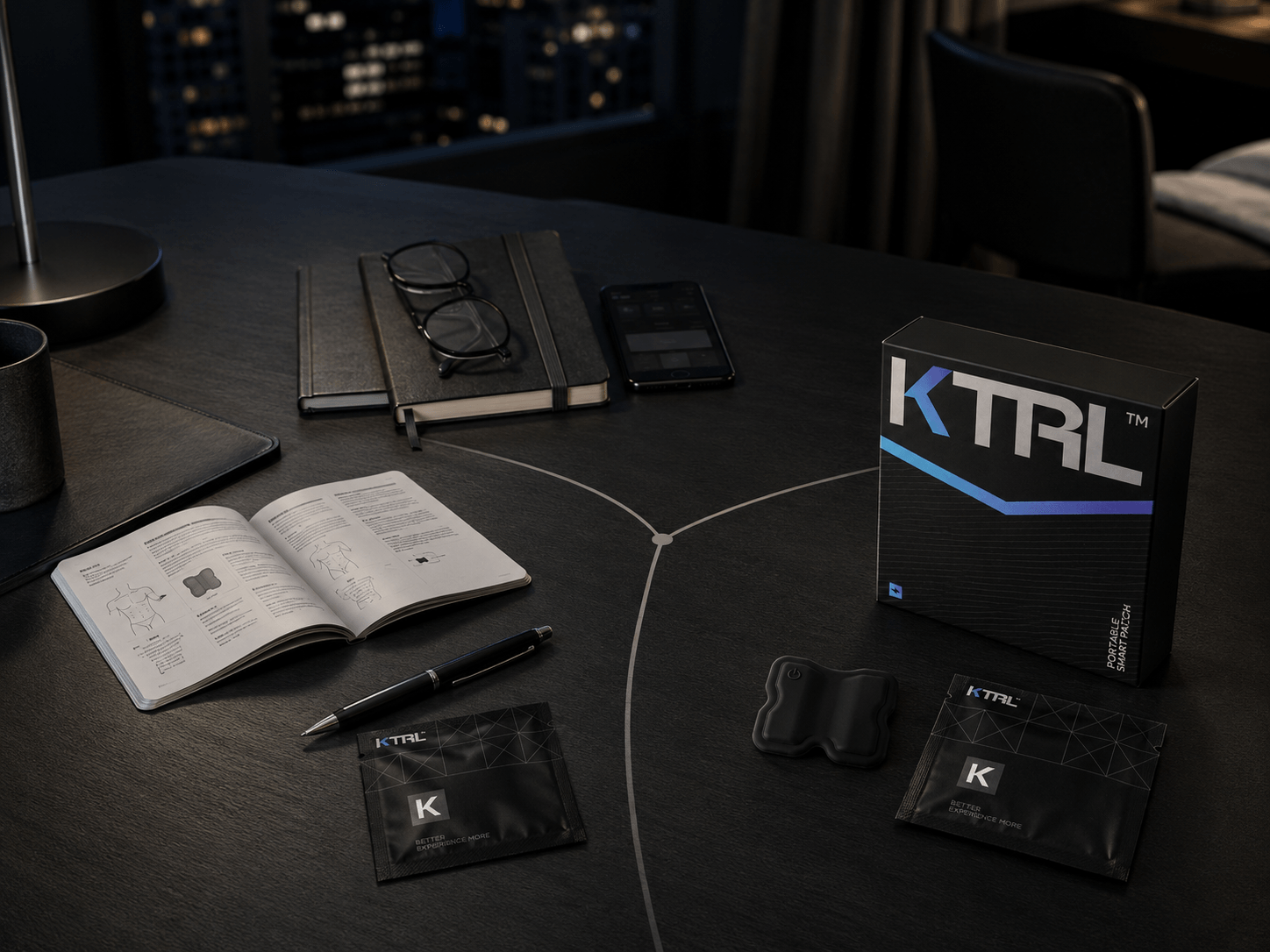
Who the sensation-first, single-use format may suit, when professional assessment should come first, and the practical limits to check before use.
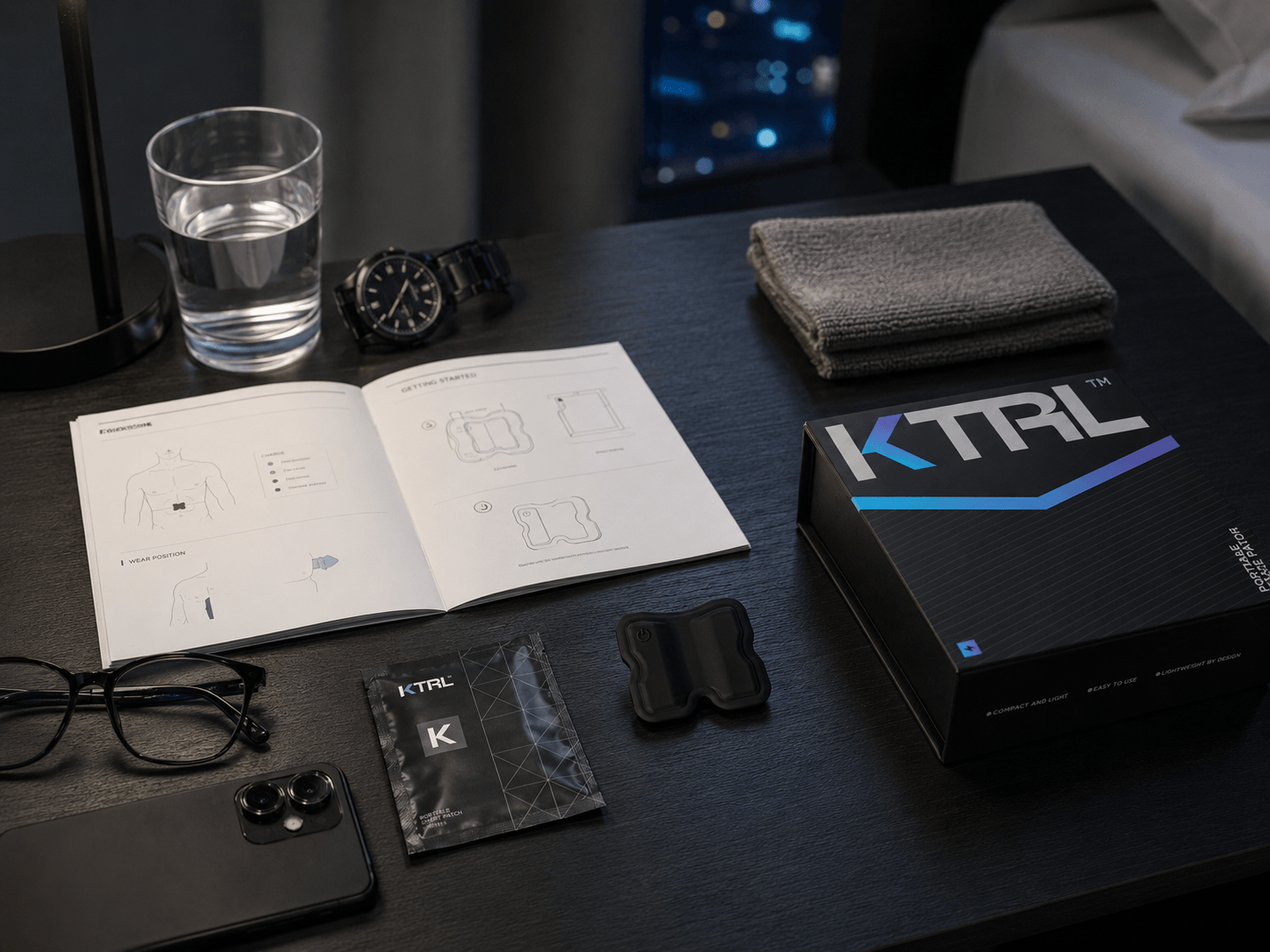
A practical first-session guide to sensation, preparation, comfort, and evaluating whether KTRL's single-use routine fits you.

A practical way to assess whether KTRL's sensation-first, single-use format matches your goals, routine, and expectations.
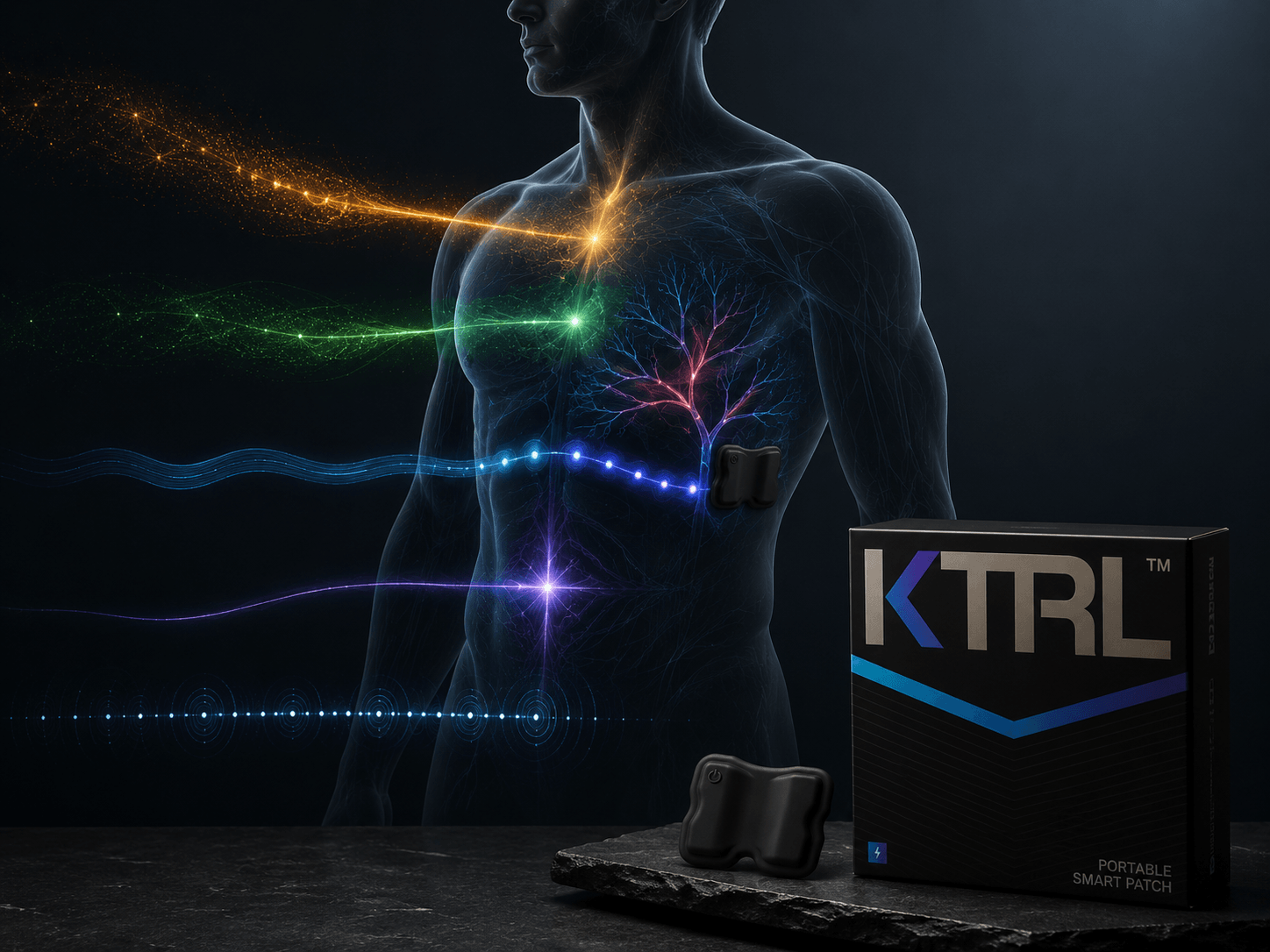
How to distinguish desire, arousal, erection, sensation, orgasm, and timing control before deciding whether KTRL fits your goal.
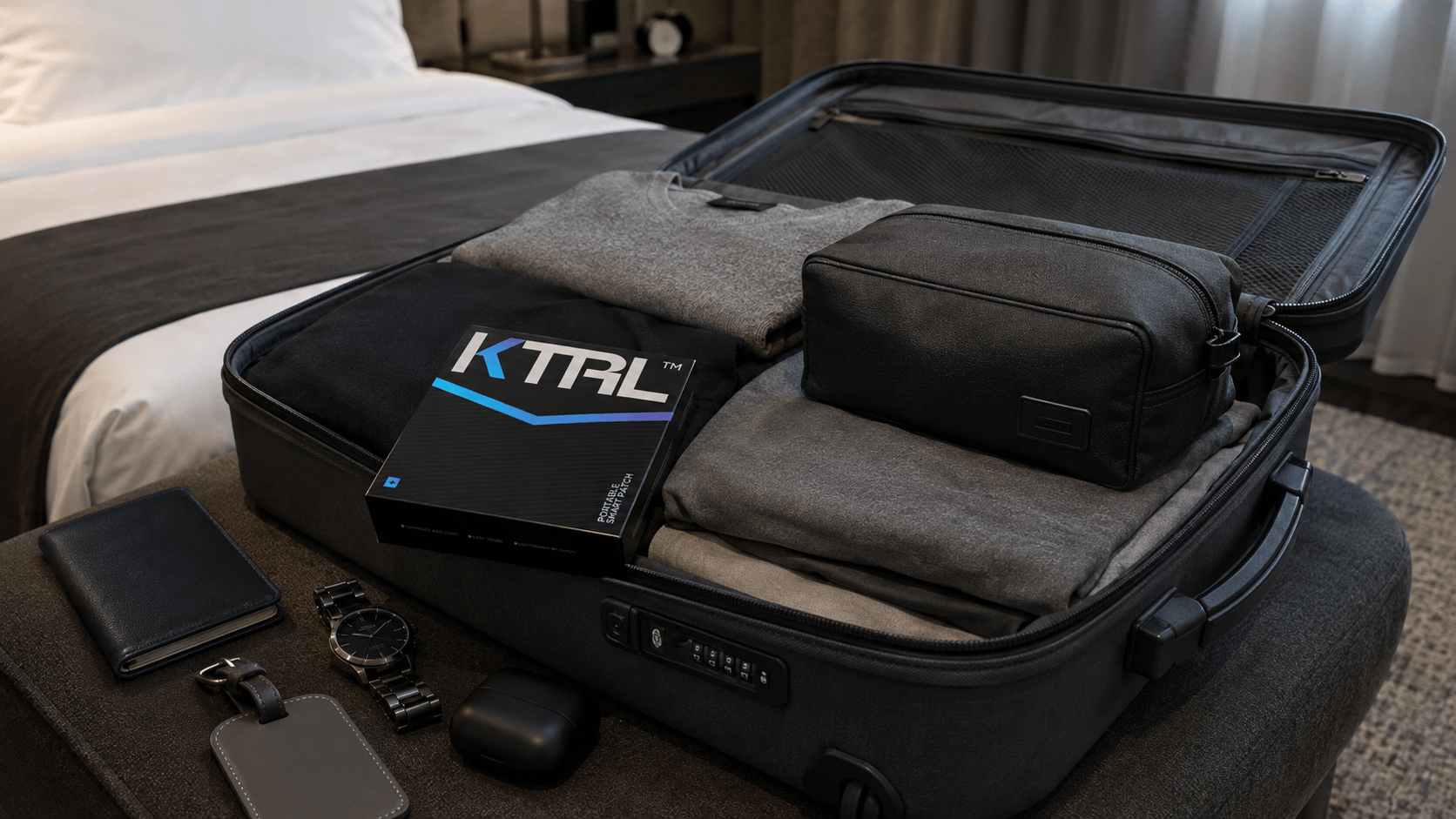
A practical travel guide to packing, storing, and using KTRL while checking battery rules, climate limits, privacy, and route-specific requirements.
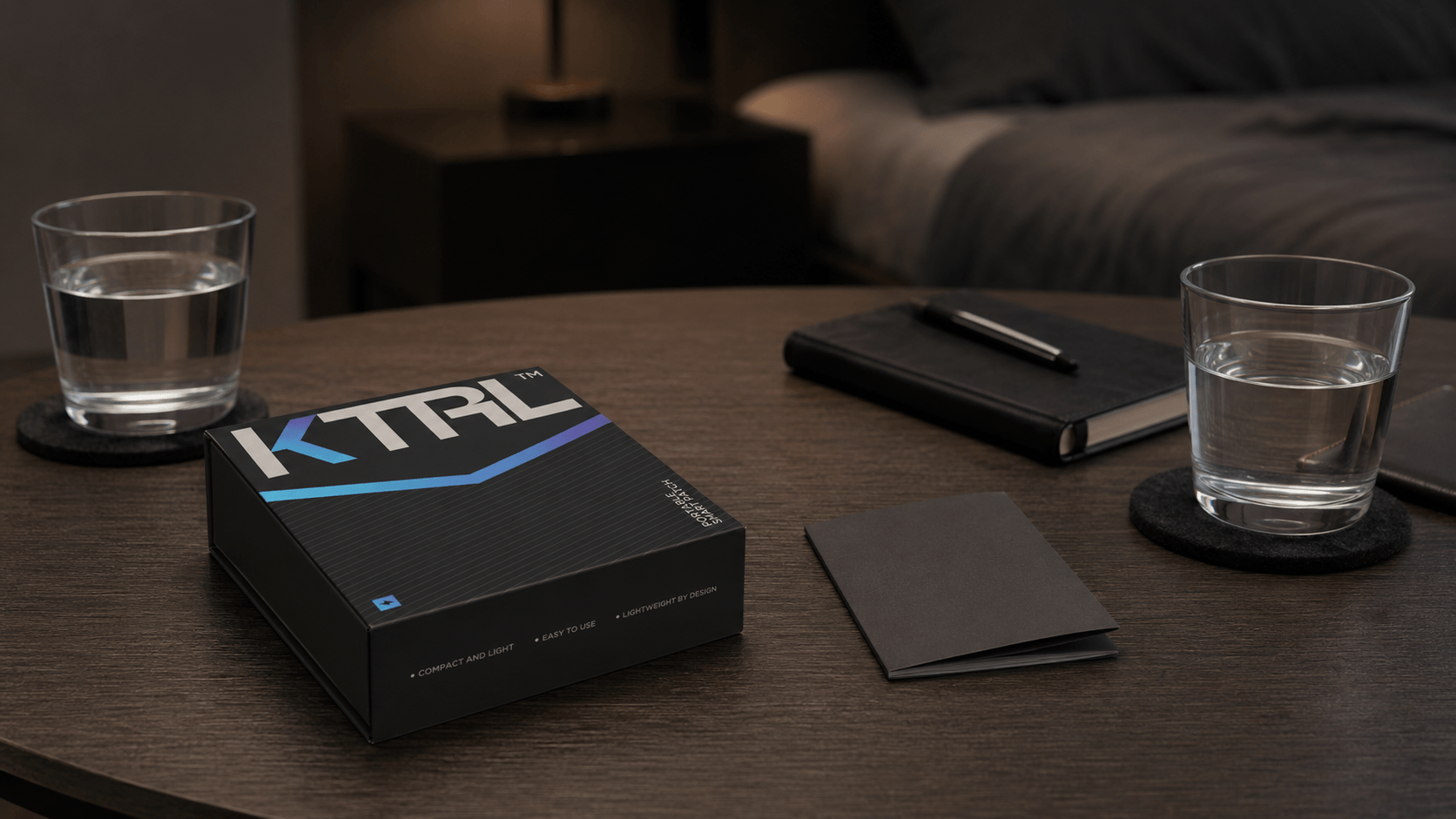
A consent-first guide to deciding together whether KTRL fits your shared routine, boundaries, privacy needs, and first-session plan.
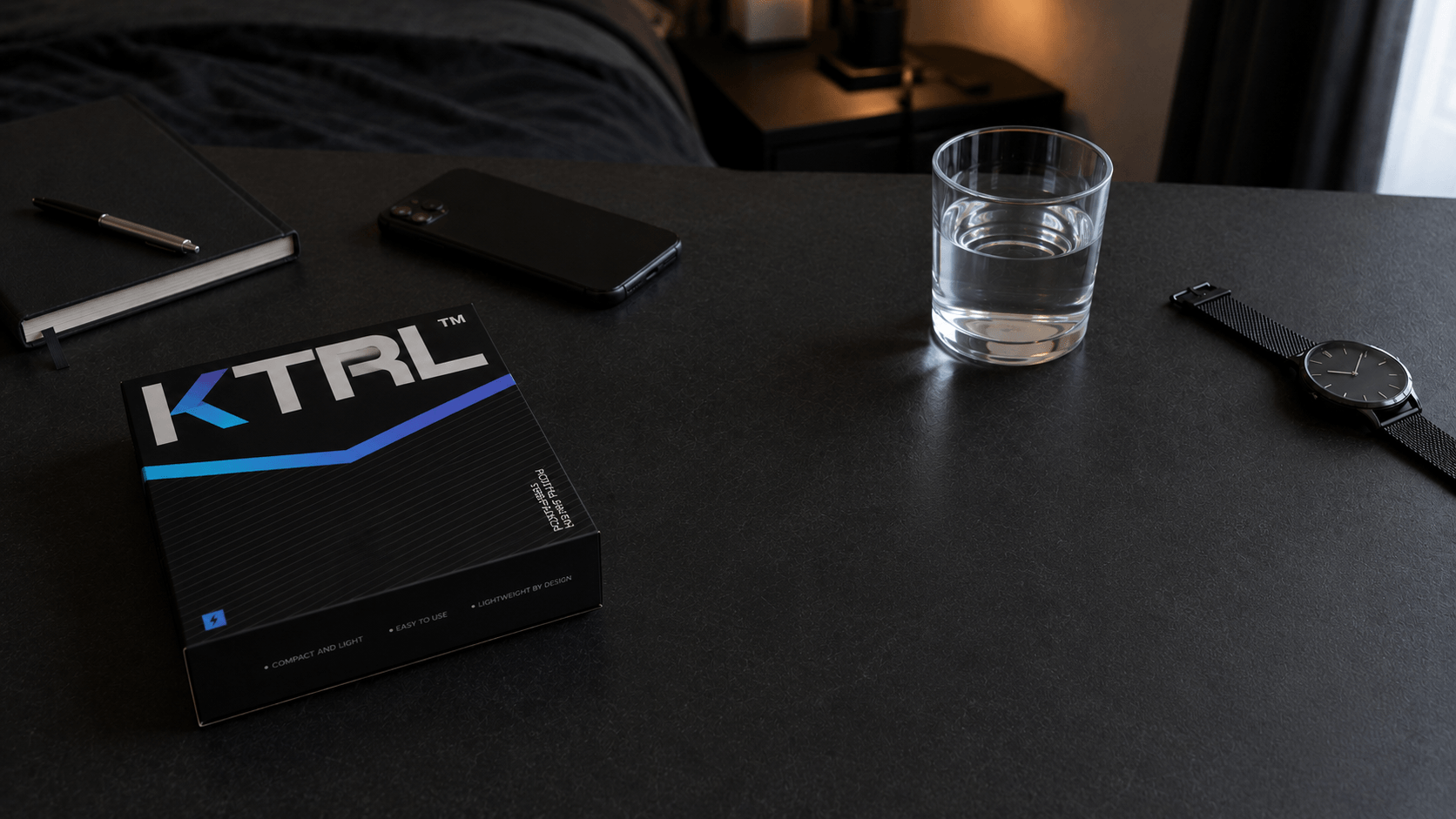
A practical quantity guide for choosing one session or planning three, based on first-use fit, cost, storage, travel, and reorder needs.
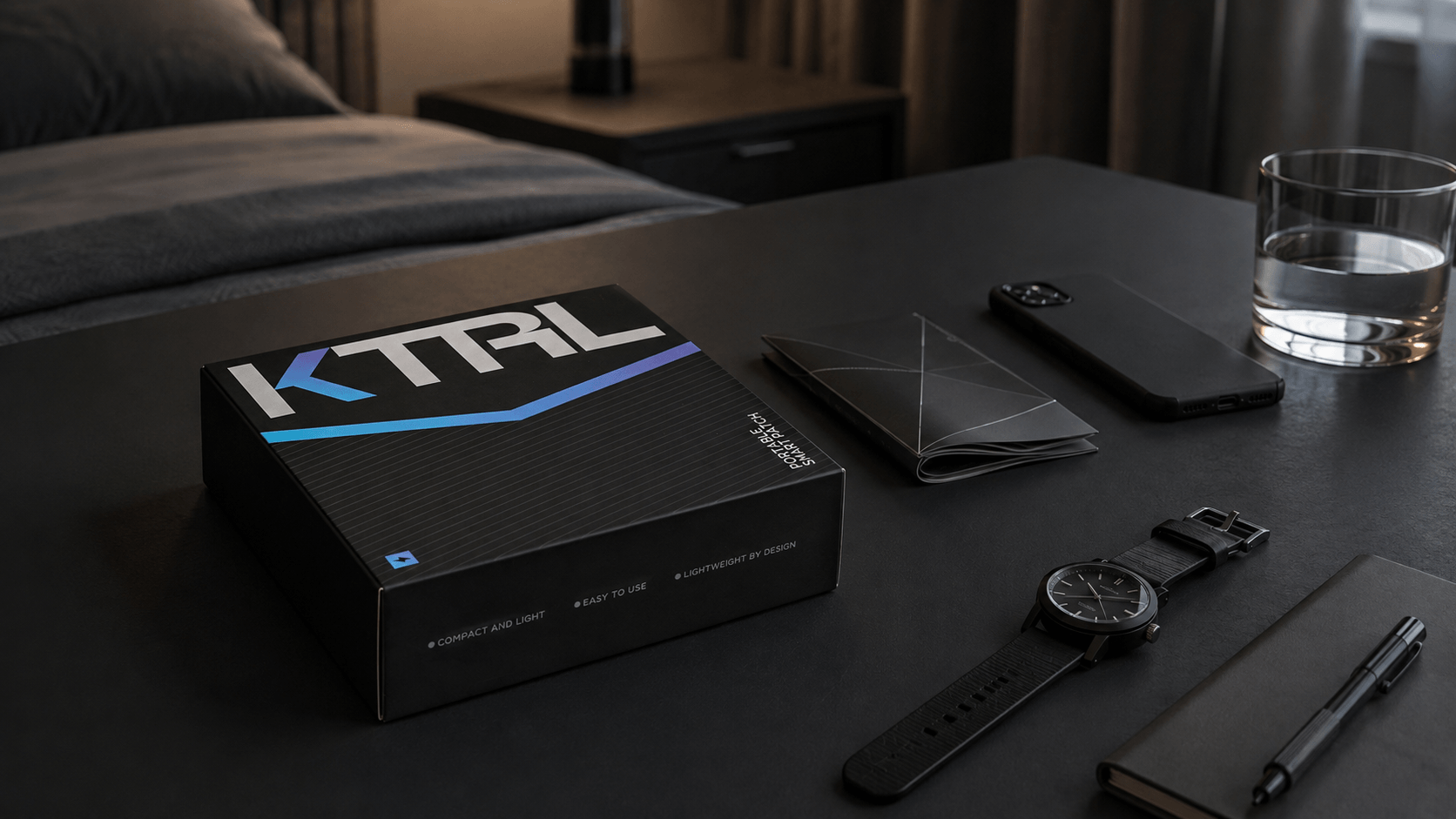
A practical first-buyer checklist for matching KTRL’s sensory role, one-session format, safety requirements, privacy needs, and current purchase options.
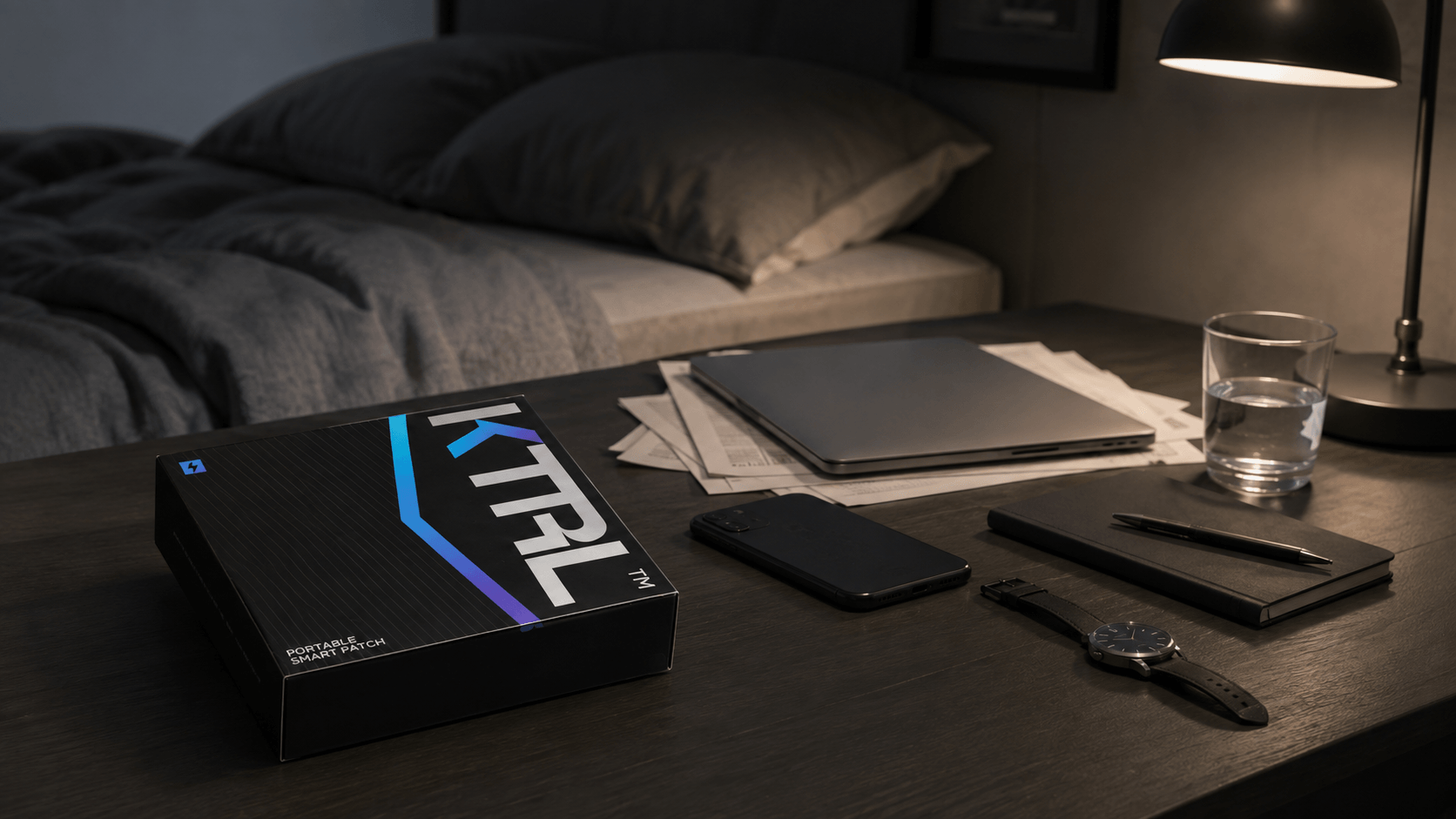
A practical four-channel guide to tracking how stress may coincide with changes in desire, erection, ejaculation timing, and attention.
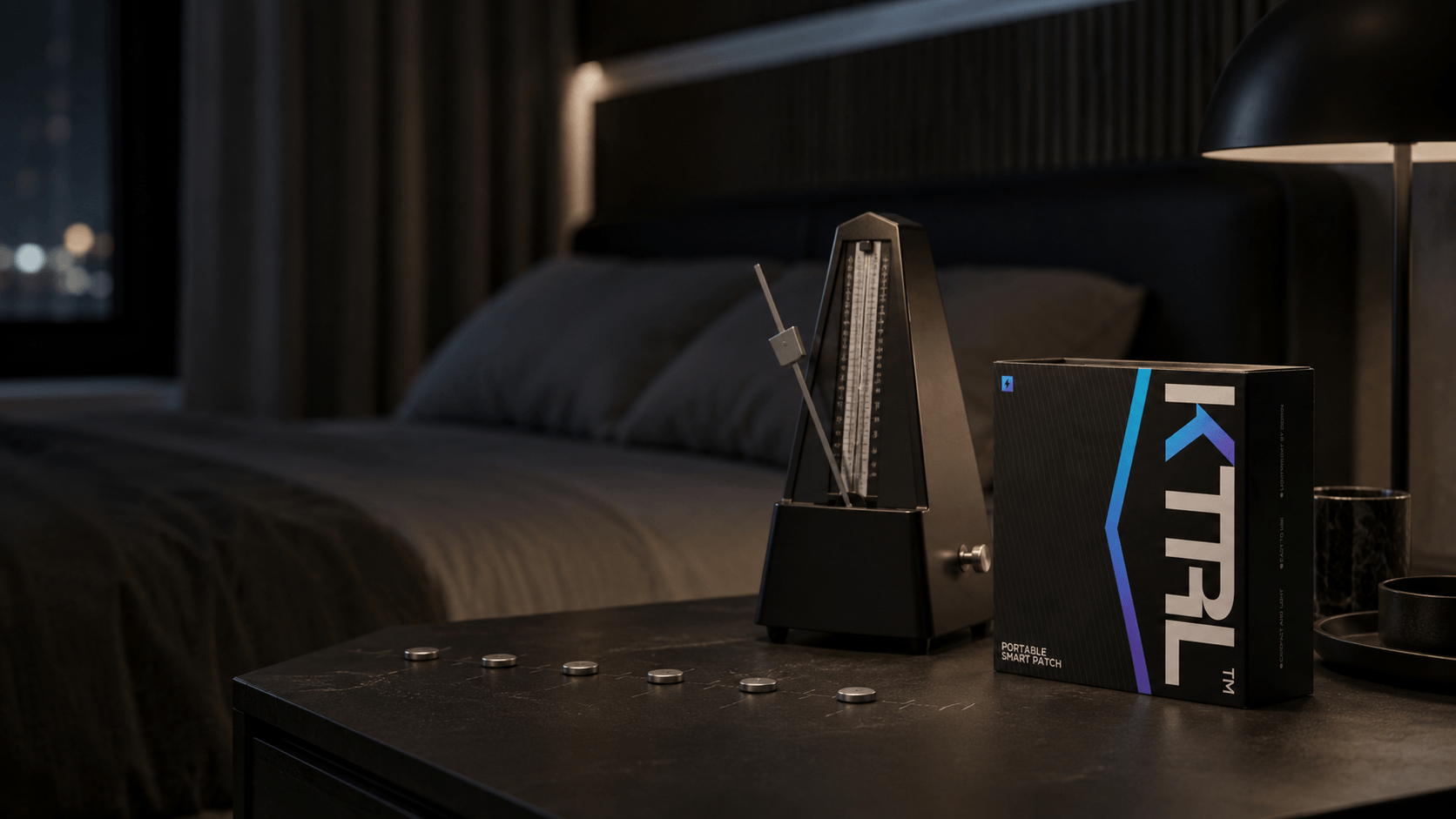
A practical guide to separating erection quality from ejaculation timing, control, recurrence, and context.

A practical question map for separating desire, body response, context, and when to seek qualified guidance.

A practical, no-blame framework for talking through disappointment, reducing pressure, and deciding what comes next.

How to protect consent, connection, and choice when erection, ejaculation timing, orgasm, or desire feels uncertain—without turning intimacy into a pass-or-fail test.
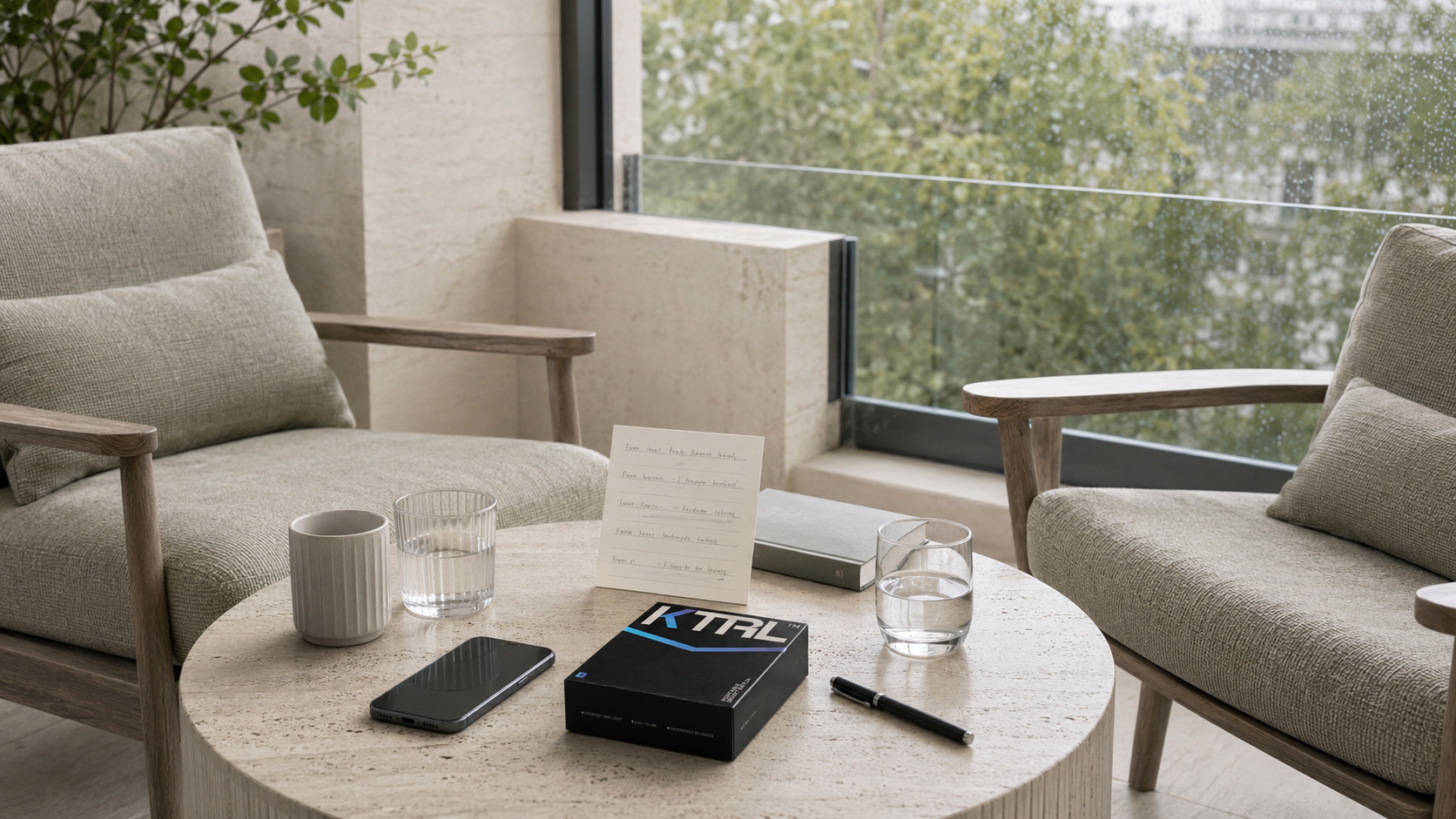
A five-minute, low-pressure way to replace silence with accurate meaning, reduce blame, set boundaries, and choose one practical next step.

Why sexual changes do not measure manhood—and how to replace shame with specific language, values, boundaries, and appropriate next steps.
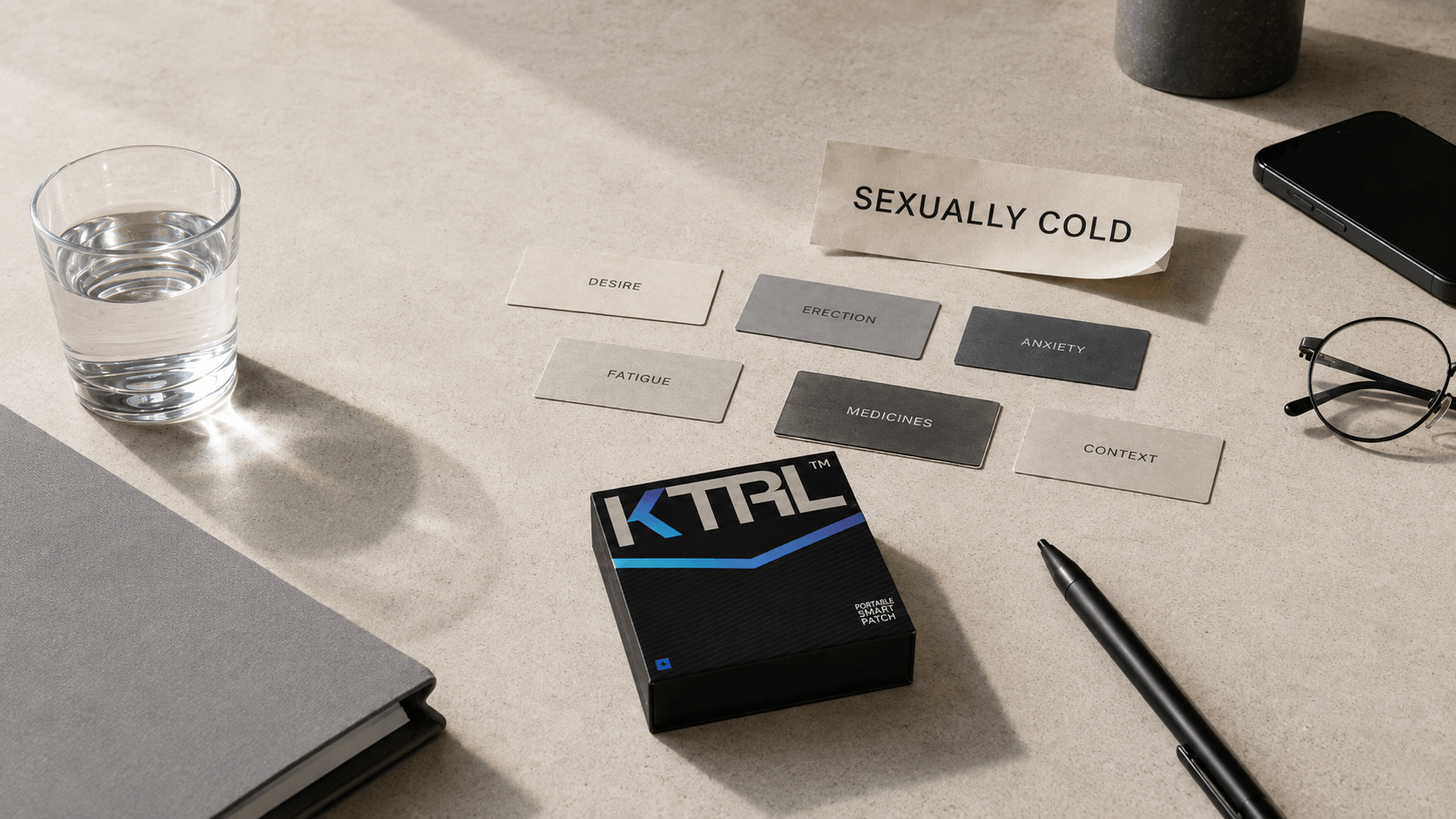
A clearer way to talk about low desire, erection changes, relationship differences, and personal wellbeing.

How to separate body response from attraction, acknowledge hurt without blame, protect consent, and keep one uncertain moment from becoming a relationship verdict.

How shame and silence after erection difficulties can create distance—and how couples can separate the health question from the relationship story, protect affection, and reconnect without blame.
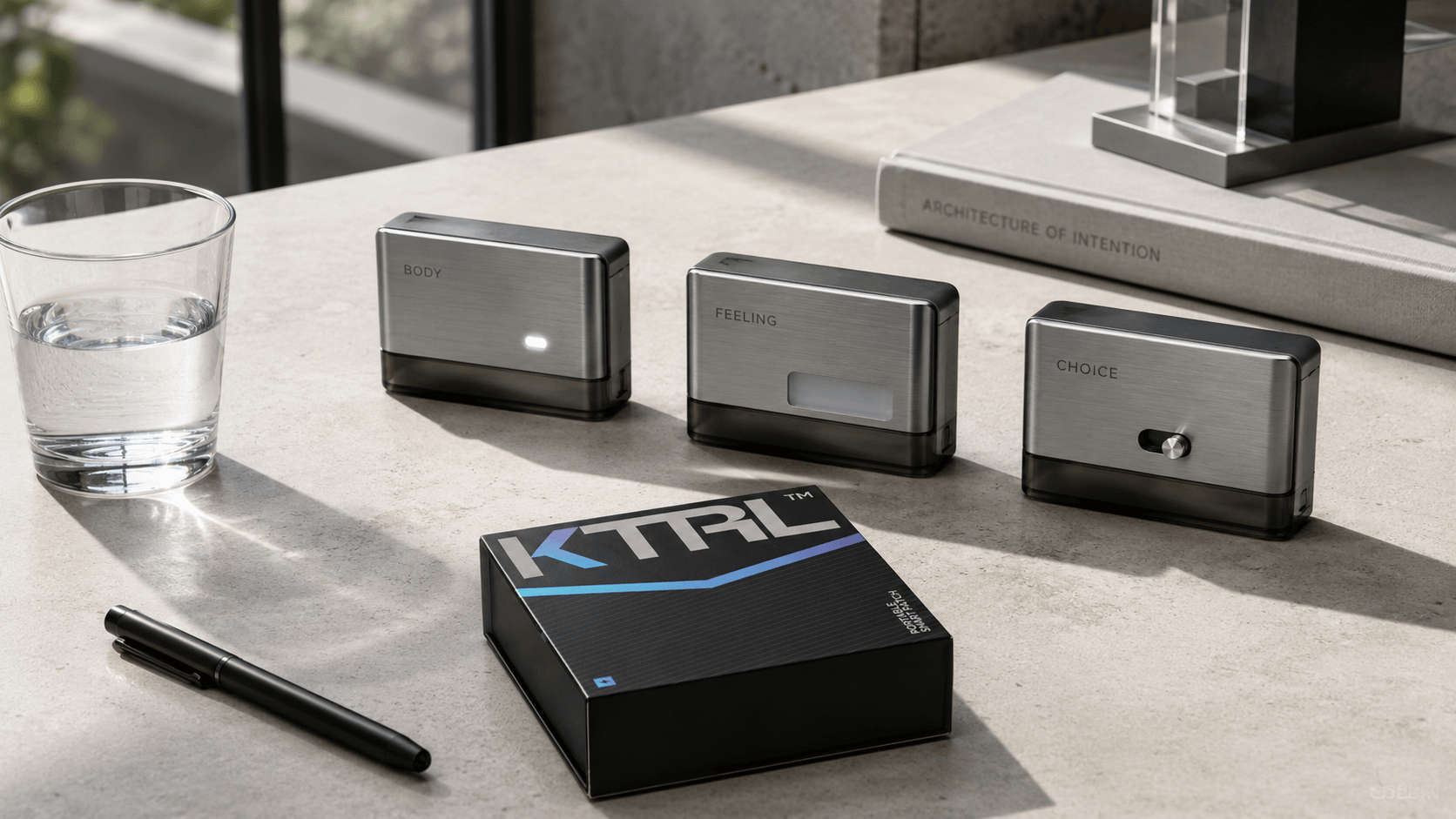
How to separate physical response, felt desire, attraction, consent, and personal choice when an erection does not fully match what you want.

How to talk about differences in desire without deciding who is normal, protect consent and affection, interrupt pressure-and-withdrawal cycles, and know when outside support may help.
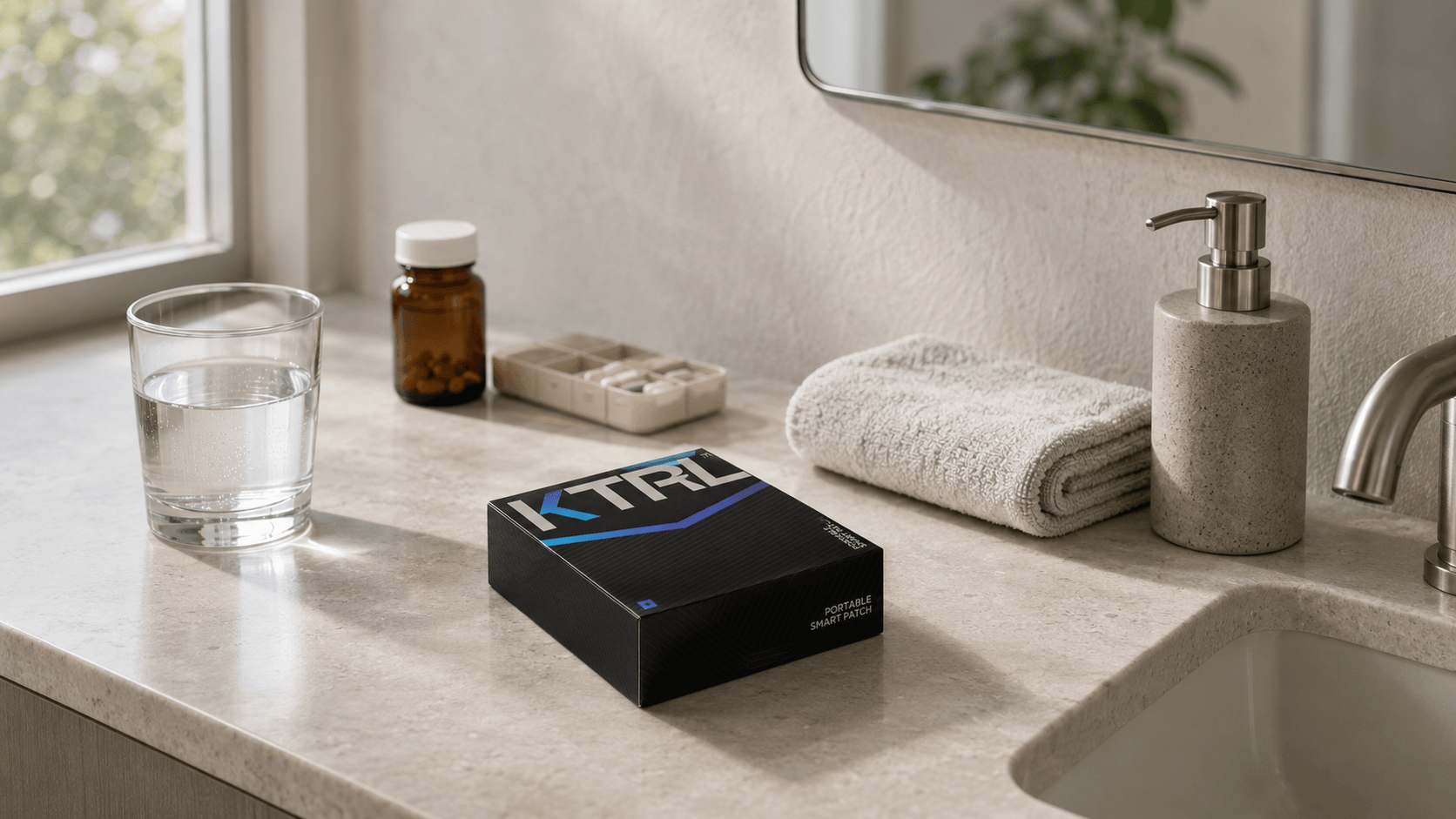
How to map changes in desire across medicines, hormones, mood, sleep, health, substances, and relationship context—and prepare a clearer conversation with a qualified clinician.

How to decide when a recurring timing concern deserves qualified review by looking at repetition, control, distress, onset, related symptoms, medicines, and relationship impact—not one clock reading.

A practical, no-blame guide to what to say in the moment, how to check in the next day, and when a recurring timing concern deserves professional support.
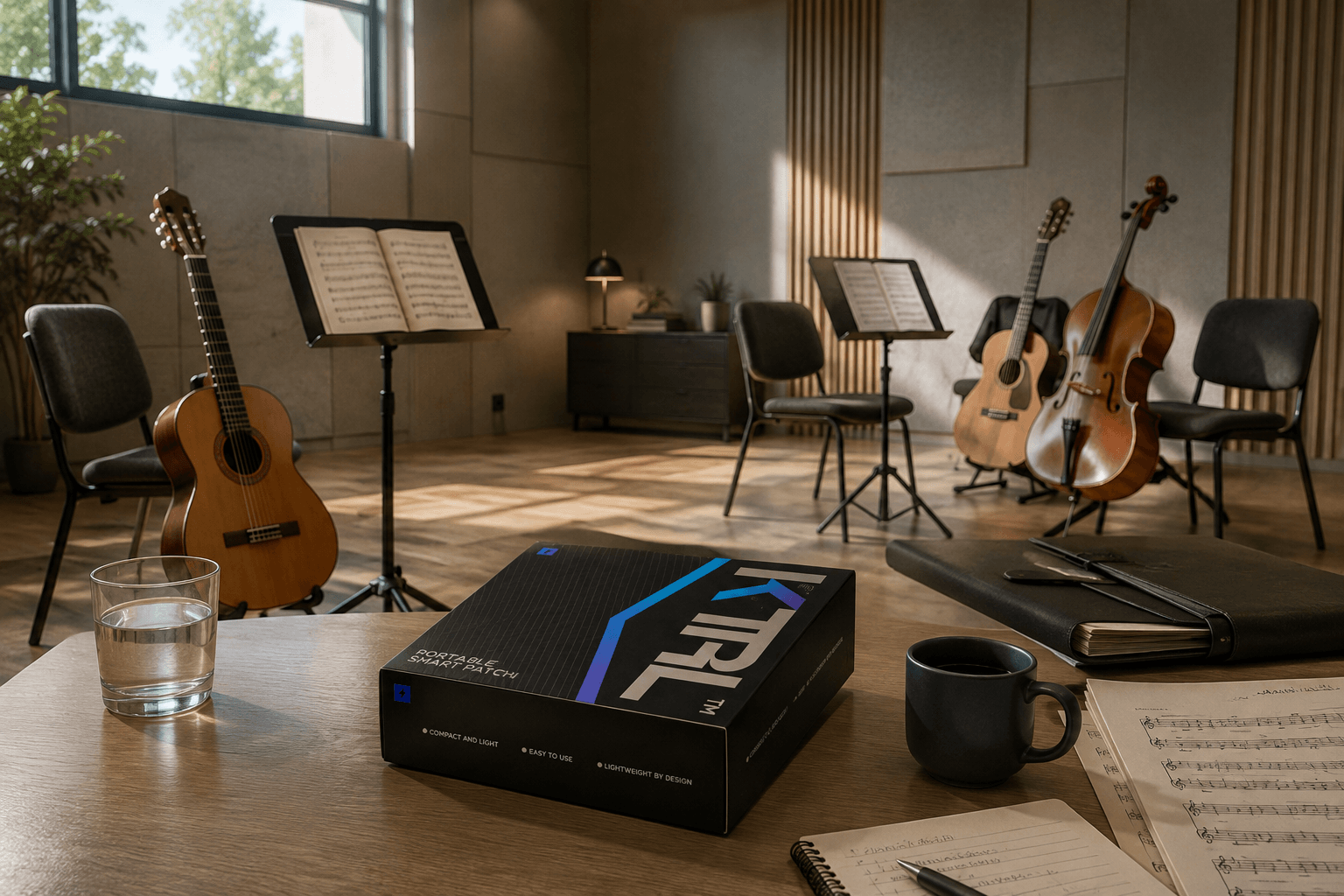
Why timing during masturbation and partnered sex can differ—and how to compare stimulation, pace, control, pressure, context, and impact without turning one stopwatch result into a diagnosis.

A practical, privacy-aware guide to opening the conversation, preparing a one-page brief, reviewing medicines and possible tests, and leaving the visit with a clear follow-up plan.

How to separate a body response from identity, replace shame with more accurate language, protect partner communication, and choose a practical next step when erection changes affect confidence.

A practical guide to separating age from resignation, reviewing recurring erection changes across health, medicines, context, and impact, and knowing when a qualified evaluation is worth pursuing.
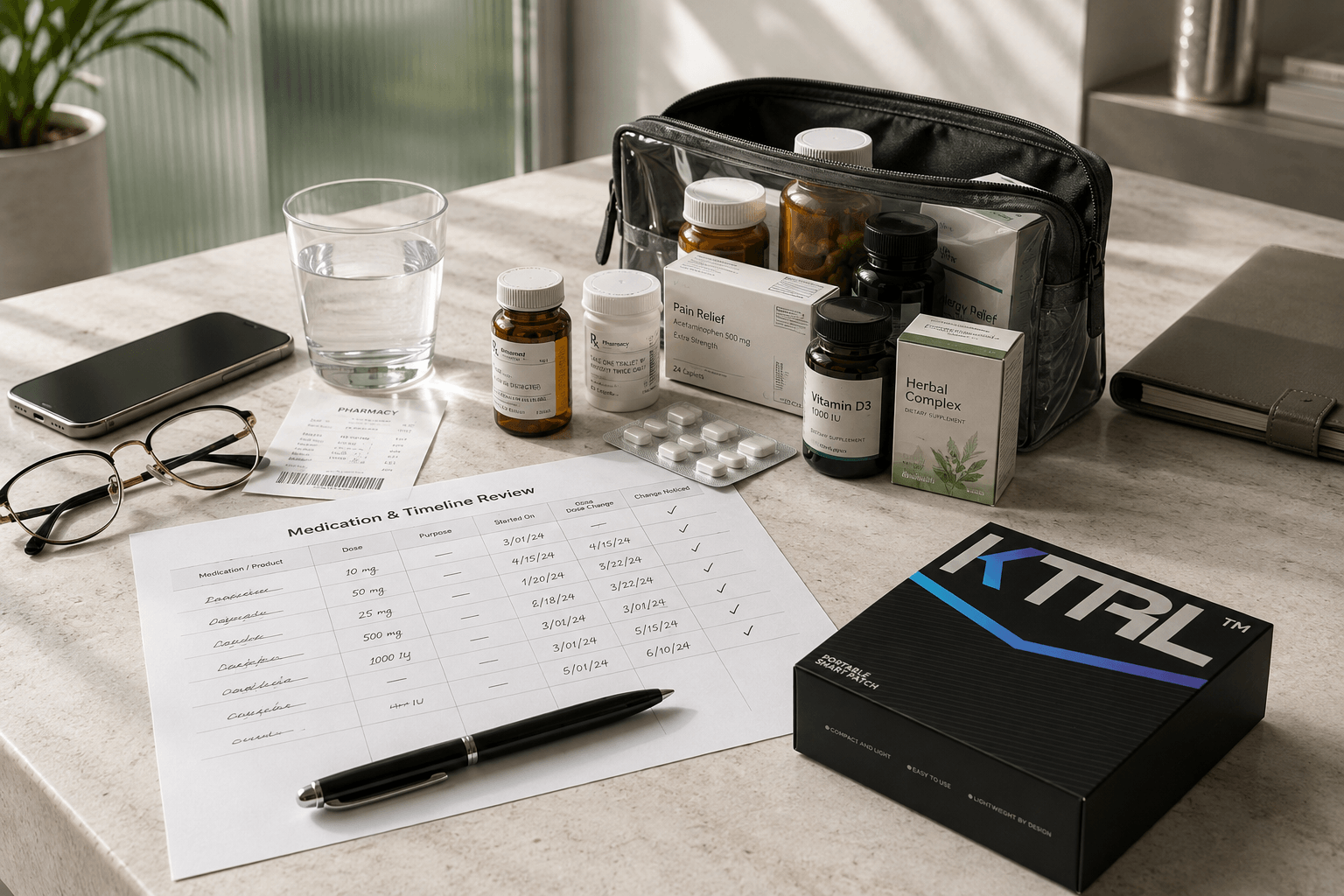
A practical, safety-first guide to reviewing medication timing, health conditions, interactions, and the questions to bring to a prescriber or pharmacist—without changing treatment on your own.

How stress, disrupted sleep, alcohol, travel, and other short-term context can coincide with erection changes—and how to review the pattern without turning one night into a diagnosis.

How constant checking of erection, ejaculation timing, body position, and a partner’s reactions can narrow attention, reinforce performance pressure, and pull you away from sensation and connection—without proving the issue is purely psychological.
A practical guide to understanding how stress, sleep, mood, medicines, health, relationship dynamics, privacy, and routine can shape male desire without reducing the change to one cause.
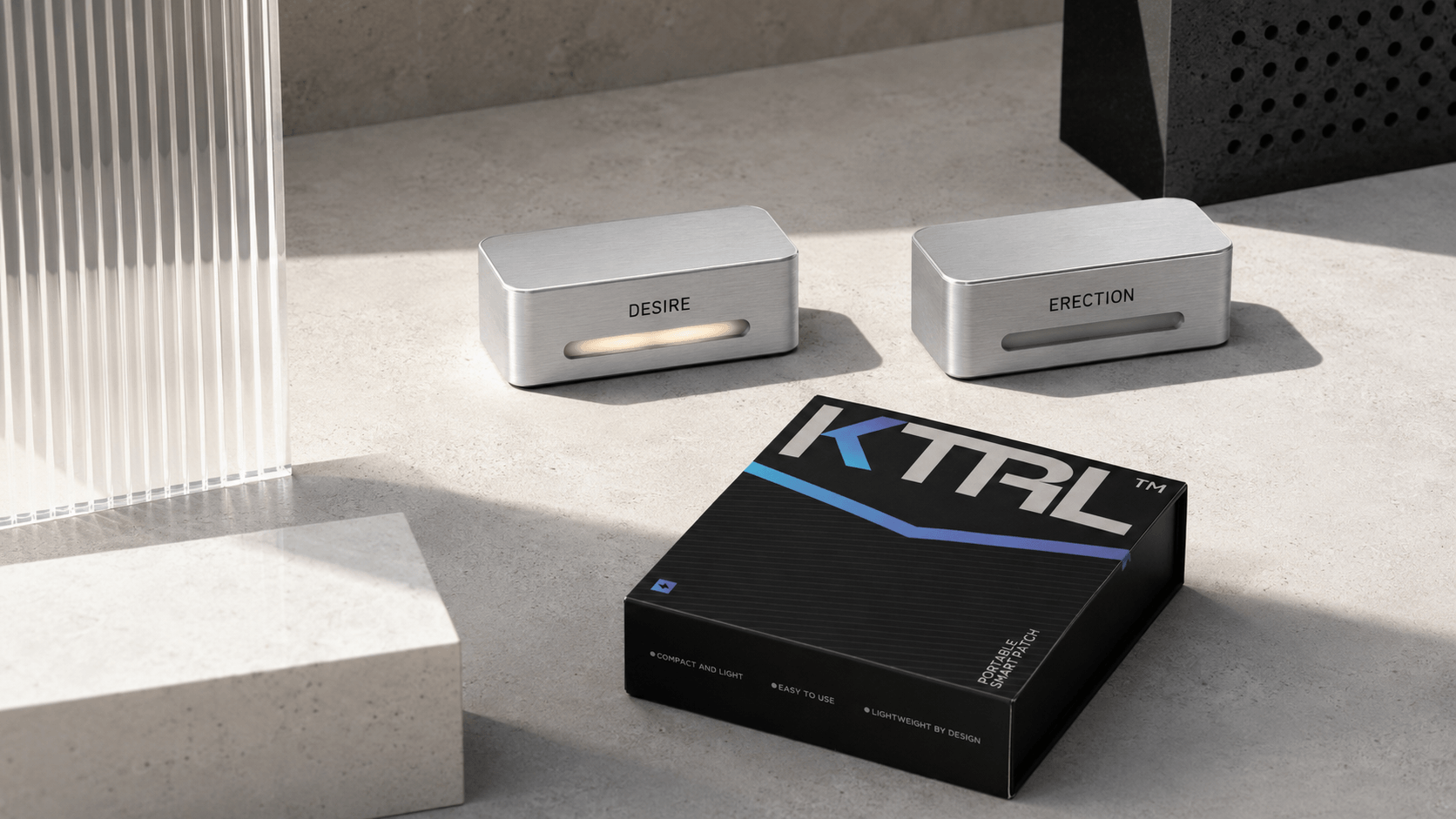
A practical guide to separating sexual desire from erection response, understanding how either can change independently or together, and reviewing context without confusing physical response with attraction or consent.

A practical guide to separating erection and ejaculation signals, tracking which came first, and understanding how the two concerns can overlap without assuming a single cause.
How worry, self-monitoring, rigid performance rules, and relationship tension can reinforce a timing concern—and practical ways to interrupt the cycle without assuming anxiety is the sole cause.

A practical guide to understanding why minutes alone cannot define premature ejaculation, and how timing, perceived control, consistency, distress, context, and communication fit together.

A practical guide to reviewing timing, perceived control, repetition, onset, context, and impact without turning one frustrating experience into a diagnosis.

A practical guide to understanding whether an early-ejaculation pattern has been present since the first sexual experiences or represents a meaningful later change—and why onset, control, repetition, distress, and context matter together.

How to distinguish one early ejaculation from a pattern worth tracking by looking at timing, perceived control, repetition, distress, and context—without turning one experience into a diagnosis.

A practical guide to distinguishing a one-context erection difficulty from a recurring pattern, tracking context, frequency, timeline, and distress without assuming a cause, and knowing when qualified support is appropriate.

A practical guide to understanding what morning erections can and cannot tell you, how morning and partnered contexts differ, and when a recurring pattern deserves professional assessment.

A practical guide to understanding why an erection can begin and then lose firmness, what context is worth tracking, how self-monitoring can add pressure, and when recurring changes deserve professional assessment.

A practical guide to understanding why desire and erection can diverge, what physical, emotional, medication-related, and situational factors may matter, and when recurring changes deserve professional assessment.
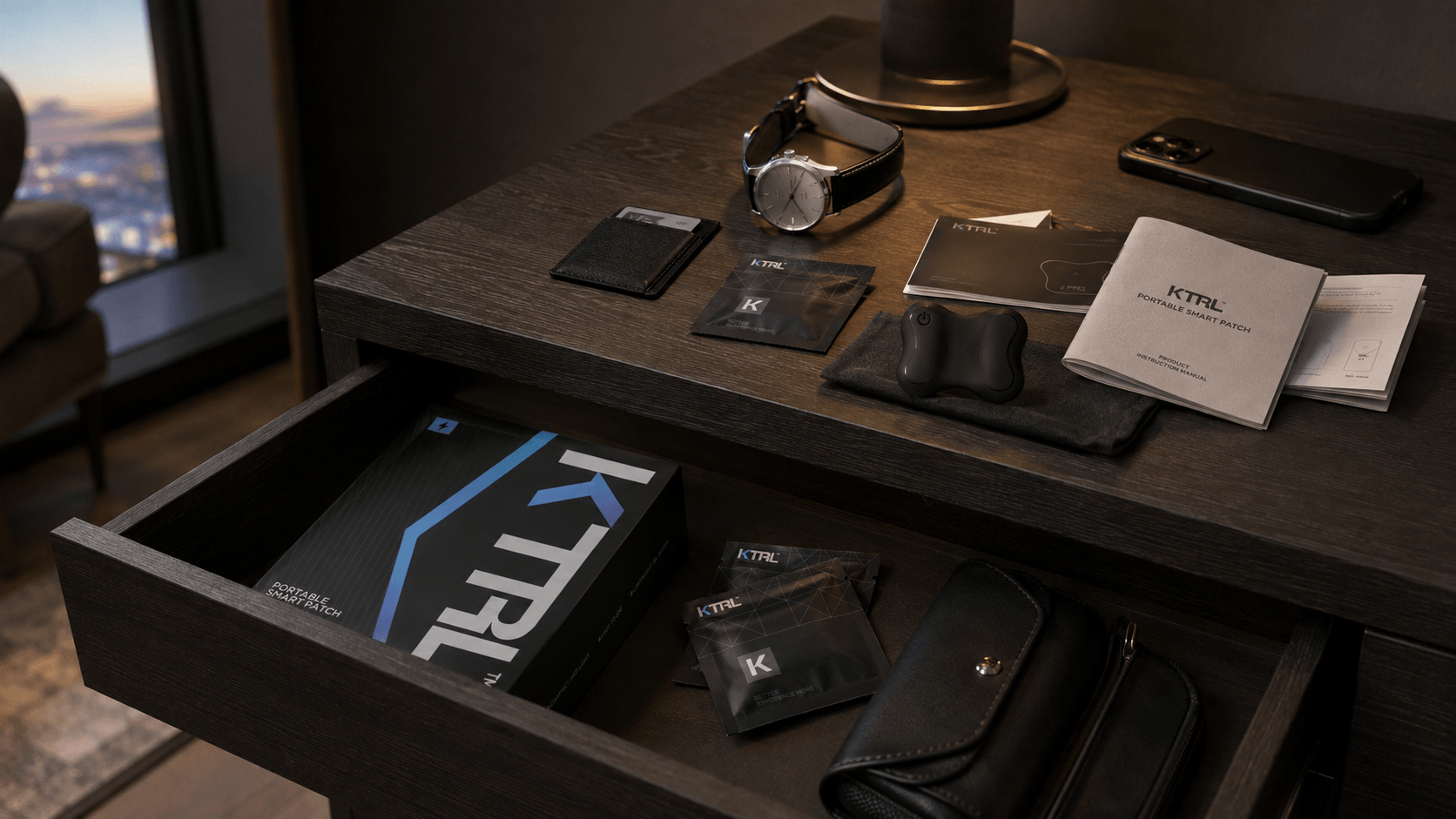
A practical guide to understanding where KTRL fits in a private adult routine—what sensory experience it provides, who may value the format, how to use it deliberately, and how to decide whether it matches your preferences.

A practical decision guide for separating health concerns, relationship pressure, everyday wellbeing, and optional sensory exploration before deciding whether a discreet adult wellness product fits your routine.
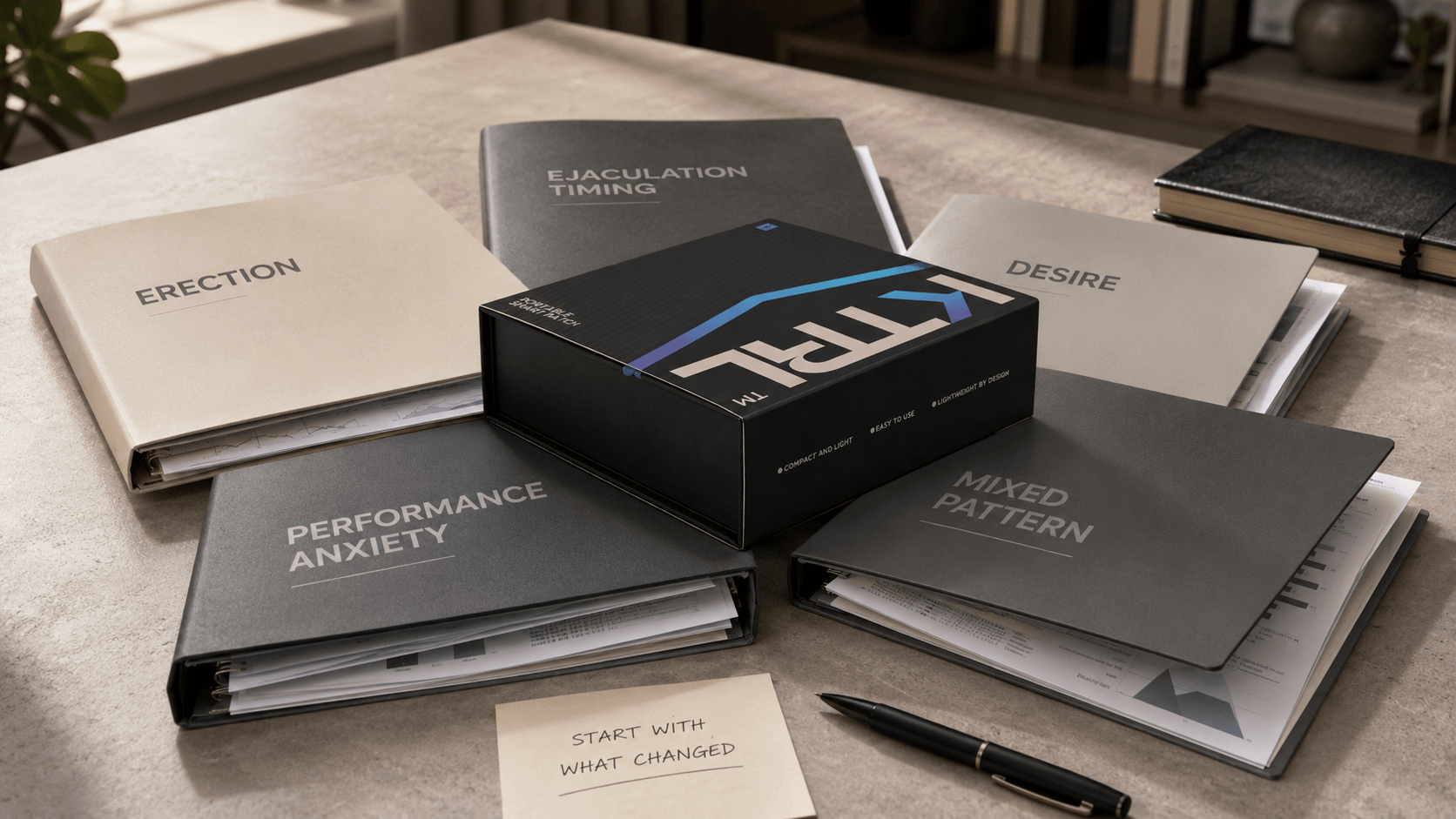
A practical symptom-routing guide to help distinguish erection difficulty, premature ejaculation, low desire, performance anxiety, and mixed patterns—without turning a symptom map into a diagnosis.
A practical guide to understanding how expectations, self-monitoring, avoidance, and relationship pressure can shape sexual experiences, and what can help when the pattern keeps returning.
A practical guide to understanding what low libido means, how sexual desire can vary, what may contribute to a change, and when it makes sense to seek professional support.
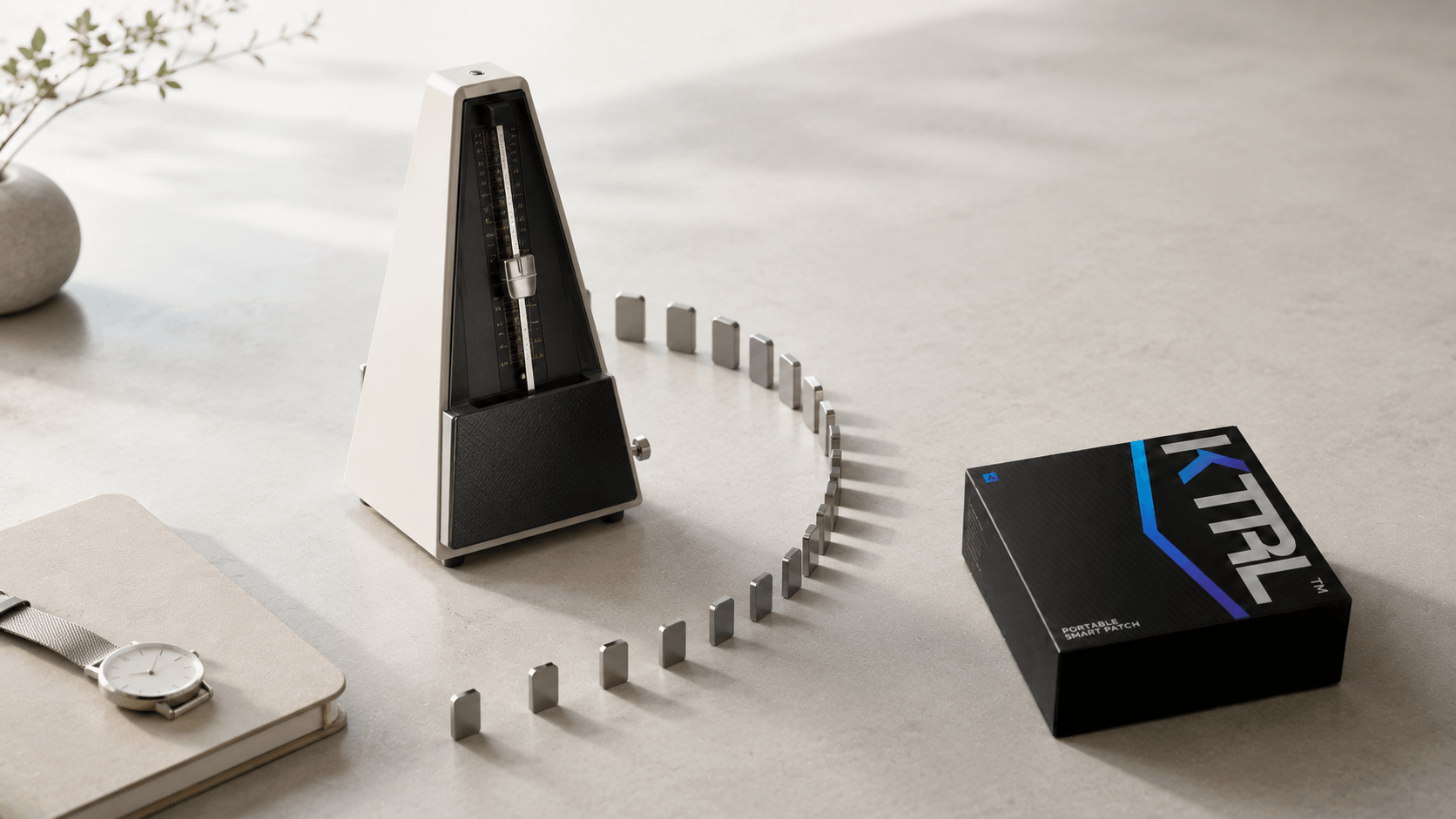
A practical guide to understanding premature ejaculation beyond the stopwatch—how timing, control, recurrence, distress, and context work together, and when professional support may help.

A practical, no-shame guide to what erectile dysfunction means, how it can show up, what may contribute to it, and when professional evaluation makes sense.
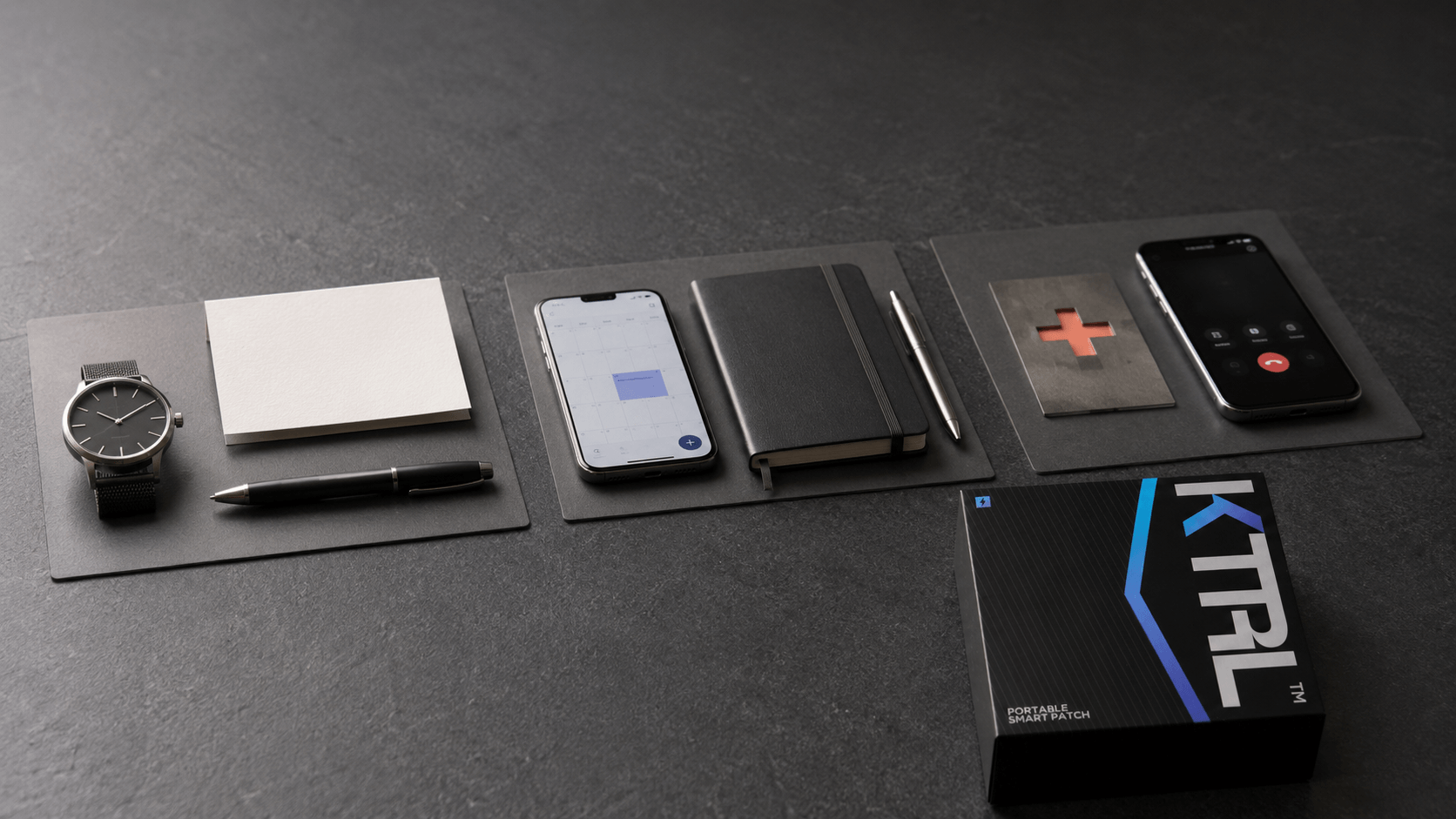
A practical, no-shame decision guide to help you tell when a sexual concern can be observed, when it deserves a routine appointment, and when urgent care is the safer next step.
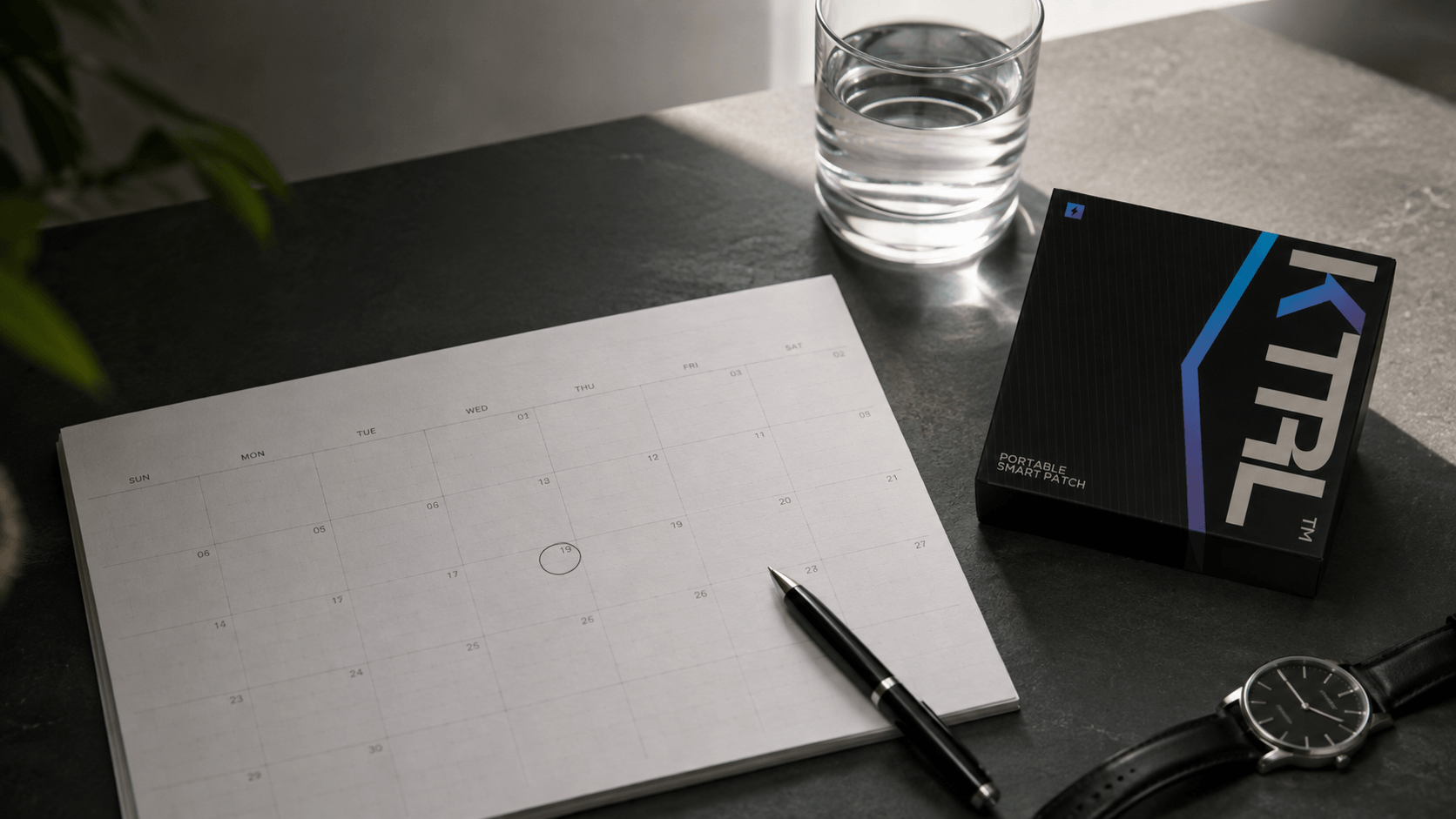
A calm, practical guide to understanding an isolated sexual difficulty, reducing pressure, reviewing the context, and knowing when a recurring pattern deserves professional support.

A practical, stigma-free guide to the language around erection problems—what “impotence,” “sexual inability,” and erectile dysfunction mean, where they differ, and when clearer words can lead to better next steps.

A clear guide to understanding desire, arousal, erection, ejaculation, and orgasm—how they differ, how they interact, and what a change in each one may actually mean.

A clear, no-shame guide to understanding changes in male sexual health, separating occasional difficulties from recurring patterns, and choosing the next step with greater confidence and perspective.
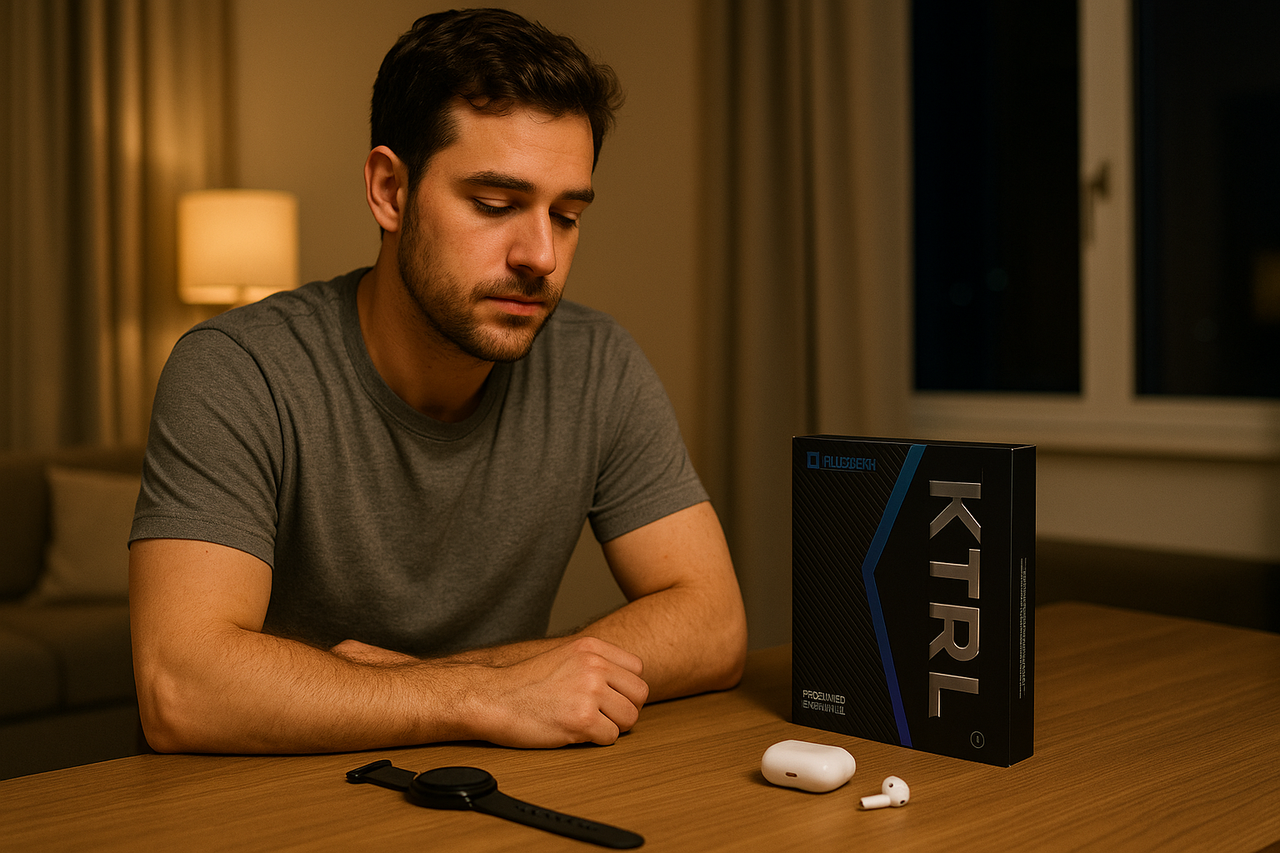
In today’s hyper-connected world, the notion of control seems tied to an endless pursuit of productivity.
Coated linen, anodized aluminum, and a hidden magnet. The making of an everyday carry that disappears.