Can KTRL Be Combined With Pacing, Pauses, or Stop-Start Techniques?
A practical way to pair KTRL's rhythmic cue with slower pacing and planned pauses
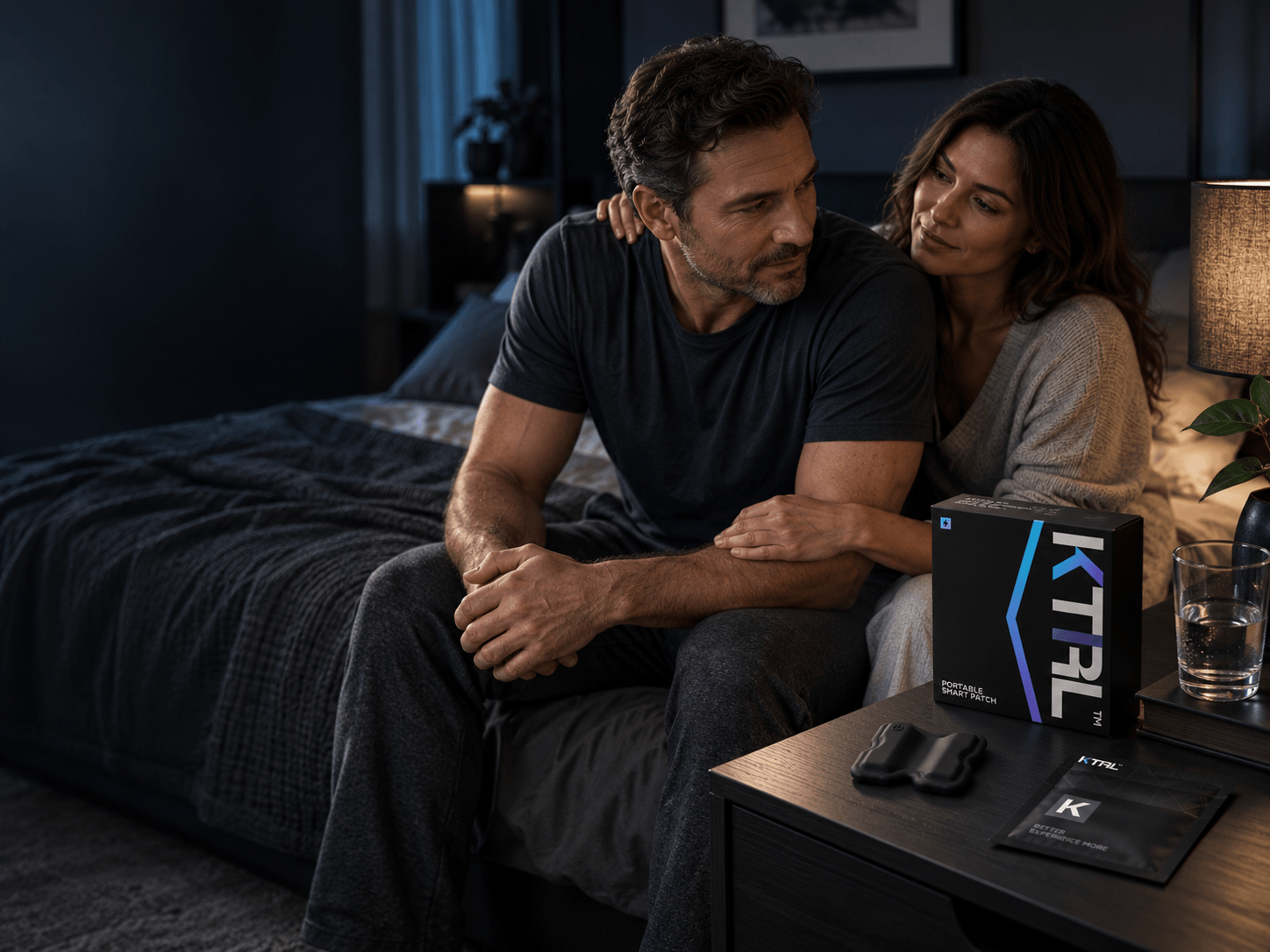
Yes. KTRL can be incorporated into a routine with slower pacing, planned pauses, or stop-start practice. Its repeating physical sensation can serve as a cue to notice rising arousal and choose a response. Keep the routine comfortable, consensual, and flexible rather than treating each pause as a test.
KTRL gives the routine a noticeable reference point
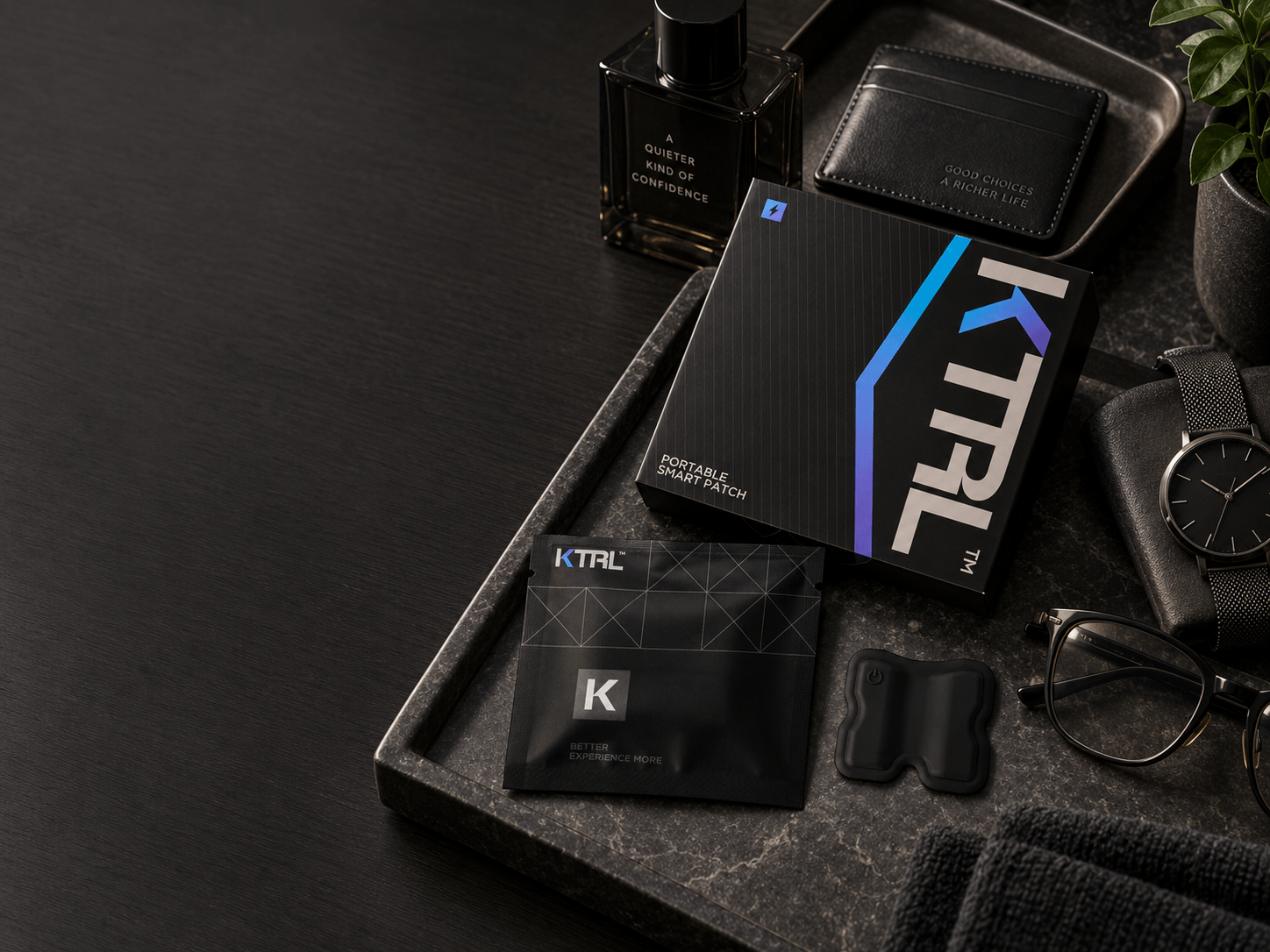
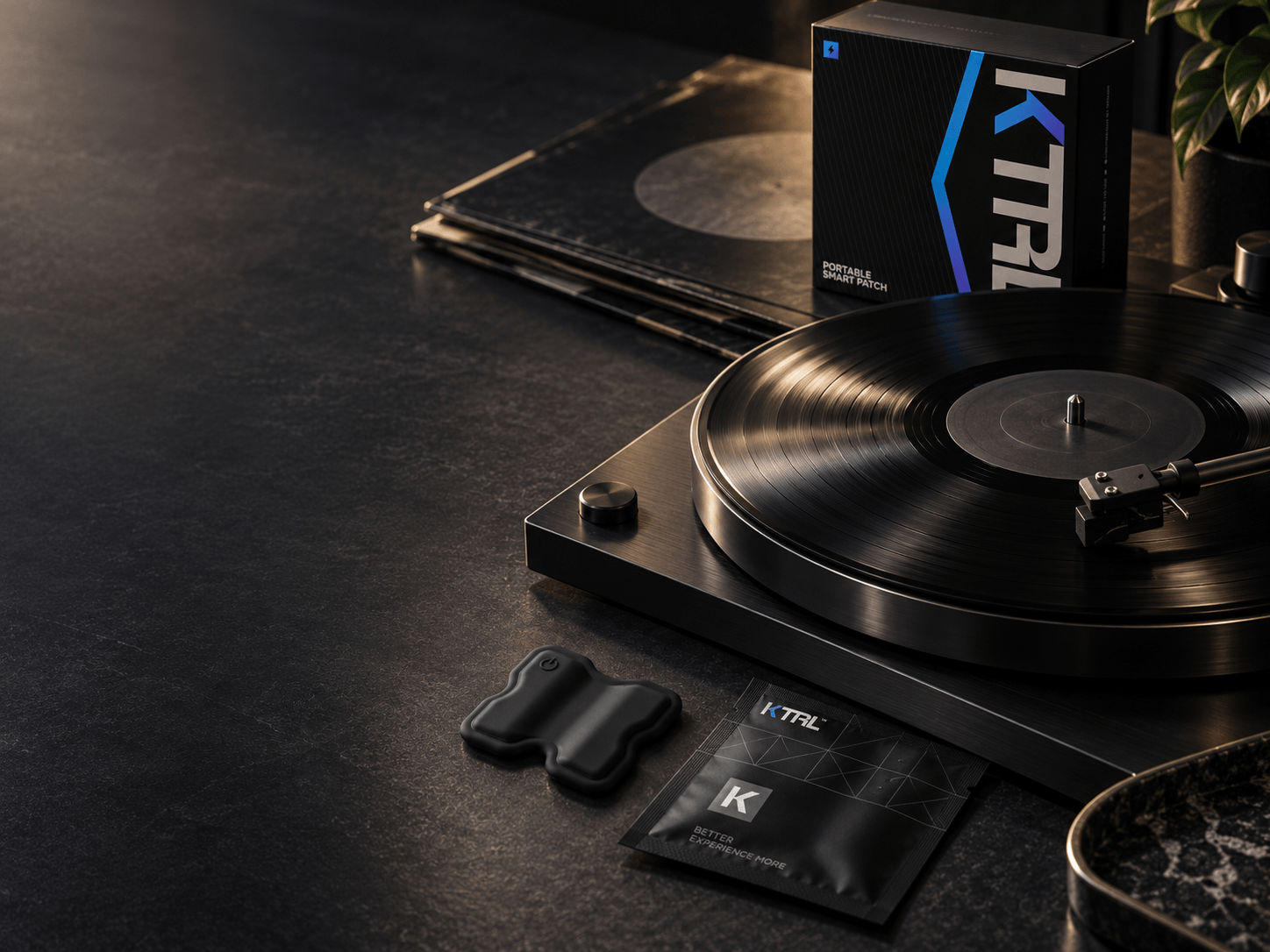
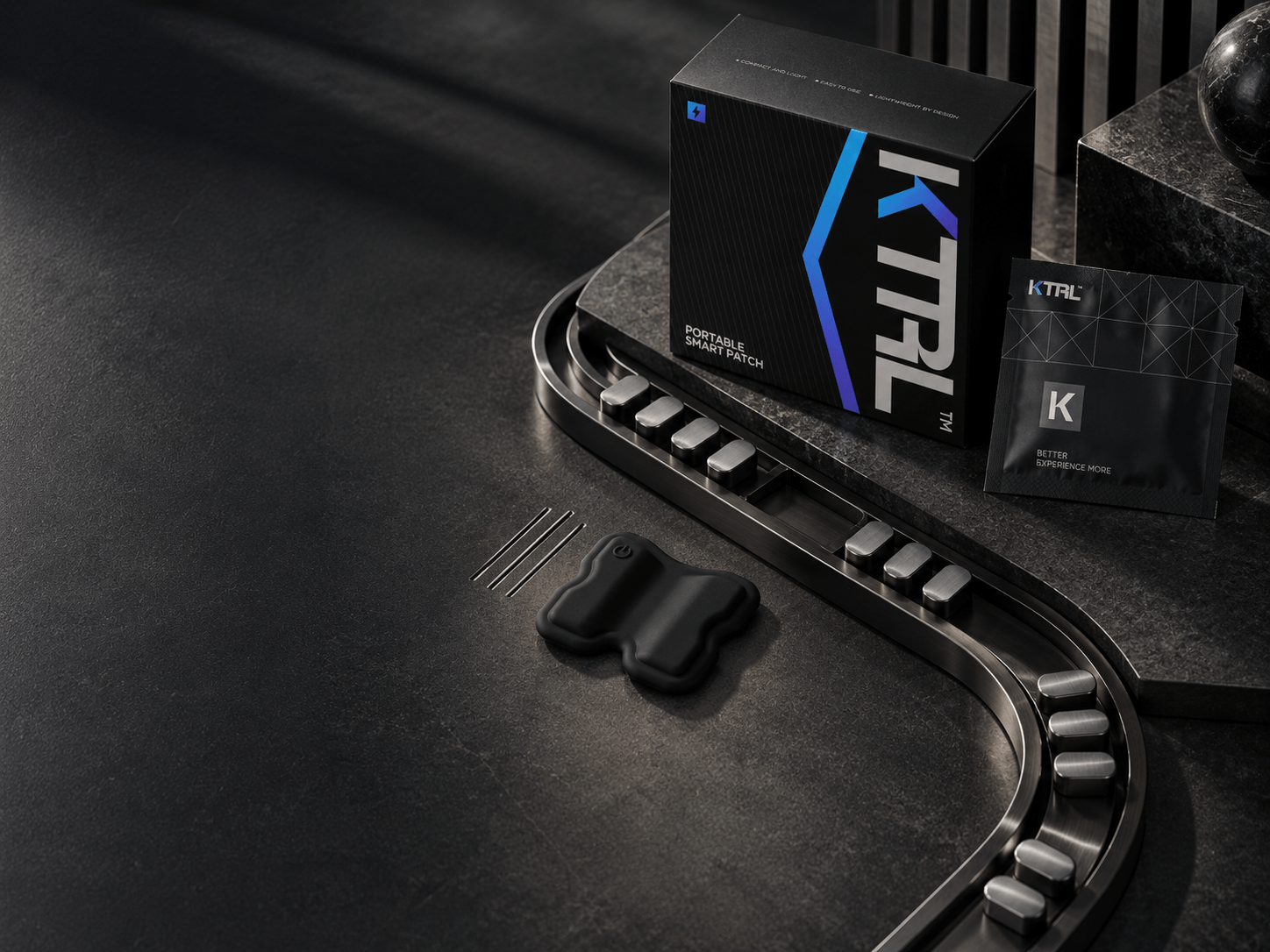
The KTRL Portable Smart Patch creates rhythmic physical sensation through controlled electrical pulses and external skin contact. This broad route is called Transcutaneous Electrical Stimulation (TES).
The patch does not perform a behavioral technique on the user's behalf. Its role is simpler: provide a steady sensory cue that the user can include in a pacing plan.
For example, the wearer may decide that noticing a sharp rise in urgency is a reminder to slow down, pause, breathe, change activity, or communicate.
What the stop-start idea means
Stop-start practice generally involves reducing or pausing stimulation as arousal rises, then resuming after urgency becomes easier to manage. The exact routine varies, and the approach should not cause pain, shame, or pressure.
The European Association of Urology discusses behavioral, cognitive, couple-based, and mindfulness approaches in premature-ejaculation care, while noting that evidence strength varies and that combined professional approaches may be appropriate. (EAU guideline)
An adult can also use pacing and pauses as a preference rather than a clinical exercise. Slowing down may simply make a private moment feel more deliberate.
Three ways to combine KTRL with pacing
Routine 1: The awareness pause
Use the repeating sensation as a baseline. When breathing, tension, or urgency changes quickly, pause long enough to notice whether the body settles.
This routine focuses on earlier awareness rather than a target duration.
Routine 2: The planned rhythm change
Agree in advance to alternate between slower and more active periods. KTRL remains a steady cue while the pace around it changes.
This can make the routine feel intentional without requiring the wearer to make every decision in the moment.
Routine 3: The communication cue
When the wearer notices a particular rise in arousal, use a simple word or gesture to request a slower pace or pause. The cue supports communication; it does not replace it.
This routine may be especially useful when the experience is shared and both people want clear, low-pressure feedback.
A simple five-step session plan
1. Choose one goal. Decide whether the session is about sensation, awareness, pacing, or communication.
2. Prepare the product correctly. Read the printed guide and apply the patch only to clean, dry, intact external skin as directed.
3. Notice the rhythm while comfortable. Establish a baseline before arousal becomes intense.
4. Use one agreed response. Slow down, pause, breathe, change activity, or communicate when urgency rises.
5. Review the routine afterward. Assess comfort, awareness, ease of communication, sensory value, and interest in repeating the format.
Thirty minutes is the maximum total KTRL session time, not a target. A shorter session can still provide a useful experience.
What makes the routine feel natural
Keep the rule set short
One cue and one response are enough for a first attempt. Too many rules can turn attention away from the moment.
Avoid constant scoring
Do not rate every rise and fall in arousal. Notice the broad transition from comfortable building to stronger urgency.
Let the wearer lead
The wearer should control placement, comfort, pauses, and stopping. A partner can support the routine without taking over the evaluation.
Treat timing as one observation
The routine may feel valuable because it improves awareness, communication, or deliberate pacing, even when elapsed time varies.
Why KTRL may fit this kind of practice
KTRL has several practical qualities that suit a simple pacing routine:
• a repeating physical cue;
• a self-contained patch;
• no charging or app;
• no separate controller;
• no separately applied topical delay formula;
• one patch for one session;
• no reusable hardware to clean afterward.
This can reduce product-management tasks and leave more attention available for the routine itself.
Safety and stop signals
Behavioral practice should never encourage someone to ignore product discomfort. Stop KTRL use immediately if pain, burning, unusual heat, itching, concerning or persistent redness, or other obvious discomfort occurs.
Do not reposition the patch repeatedly, add conductive gel, apply extra adhesive, or combine it with another electrical device outside verified instructions. Contact KTRL Support if a use question is unclear.
If a timing concern is persistent, distressing, or connected with erection difficulty, pain, anxiety, or relationship strain, qualified professional advice can help clarify the best next step.
Frequently asked questions
Does KTRL automatically tell me when to stop?
No. KTRL creates a rhythmic sensation. The wearer decides when to slow down, pause, or stop based on body awareness, comfort, and the agreed routine.
Do I need a diagnosed timing problem to use stop-start pacing?
No. Adults may use slower pacing and pauses as part of a preferred private experience. A clinical concern should be evaluated separately when symptoms are persistent or distressing.
Should every pause be the same length?
No. Use comfort and the return of a manageable arousal level rather than a rigid countdown.
Can KTRL remain on during a pause?
Follow the printed guide and stay within the maximum total session time. Stop and remove the patch if discomfort occurs or when the session ends.
What if pacing makes me more anxious?
Simplify the routine or stop the exercise. A qualified sexual-health professional can help when monitoring and performance pressure make the concern worse.
Build a routine around awareness, not pressure
KTRL can fit naturally with pacing, pauses, and stop-start practice because its rhythmic sensation provides a clear reference point. The strongest routine is simple: notice change, choose a comfortable response, communicate, and evaluate the whole experience rather than chase a fixed number.
Review the current KTRL format if a self-contained sensory cue would make your pacing routine easier to understand and use.
KTRL Portable Smart Patch is a consumer electronic product intended for adult external skin-surface contact use only. It is not a medical device and is not intended to diagnose, treat, cure, or prevent any disease or medical condition. Individual experience may vary. Always read and follow the printed product instructions. Stop use immediately if discomfort occurs, and seek qualified professional advice for persistent or distressing sexual health concerns.
Comments (0)
Please login to comment.
No comments yet.