Choosing KTRL Together: A Shared Decision Without Pressure
A consent-first guide to deciding together whether KTRL fits your shared routine, boundaries, privacy needs, and first-session plan.
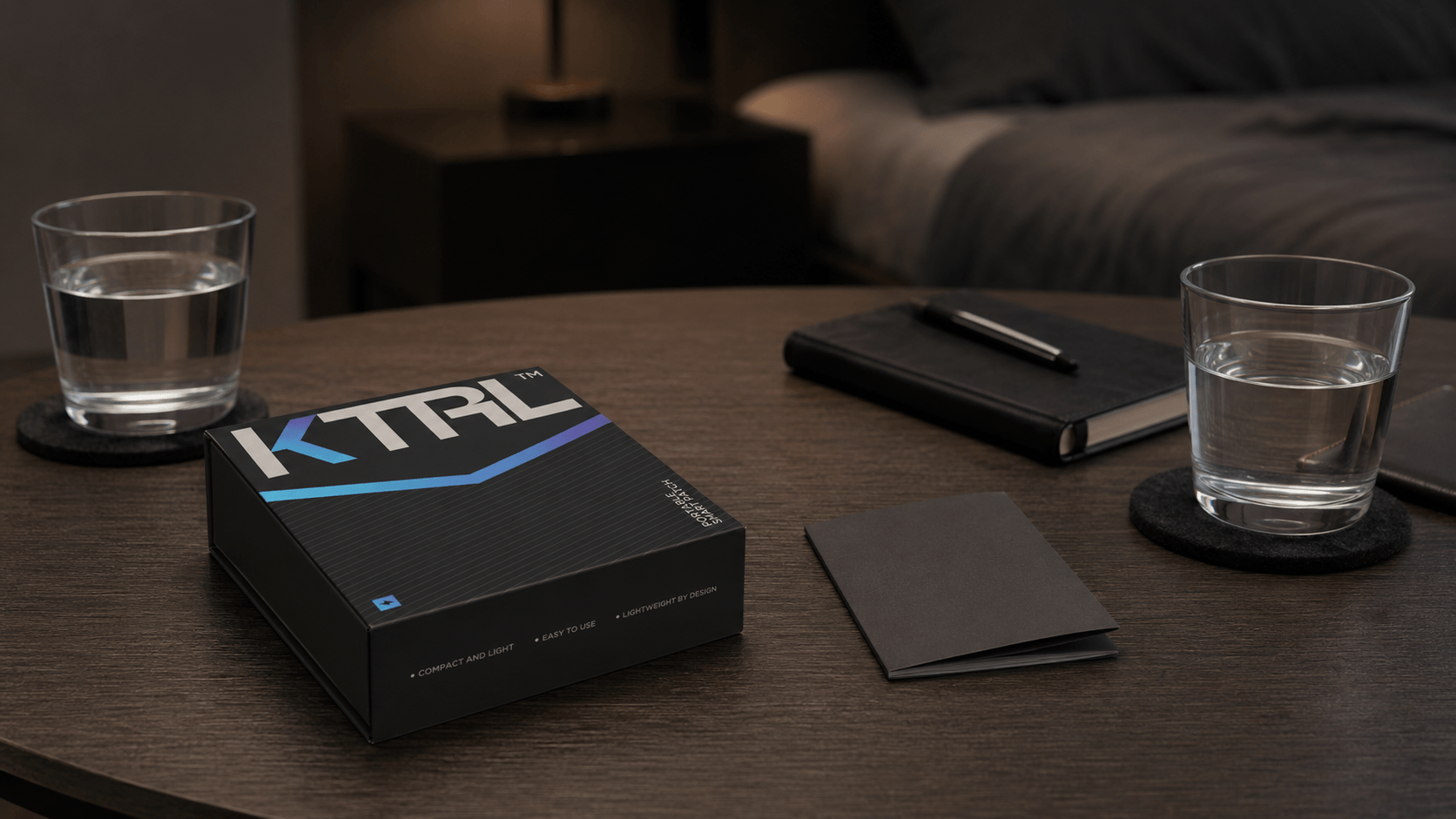
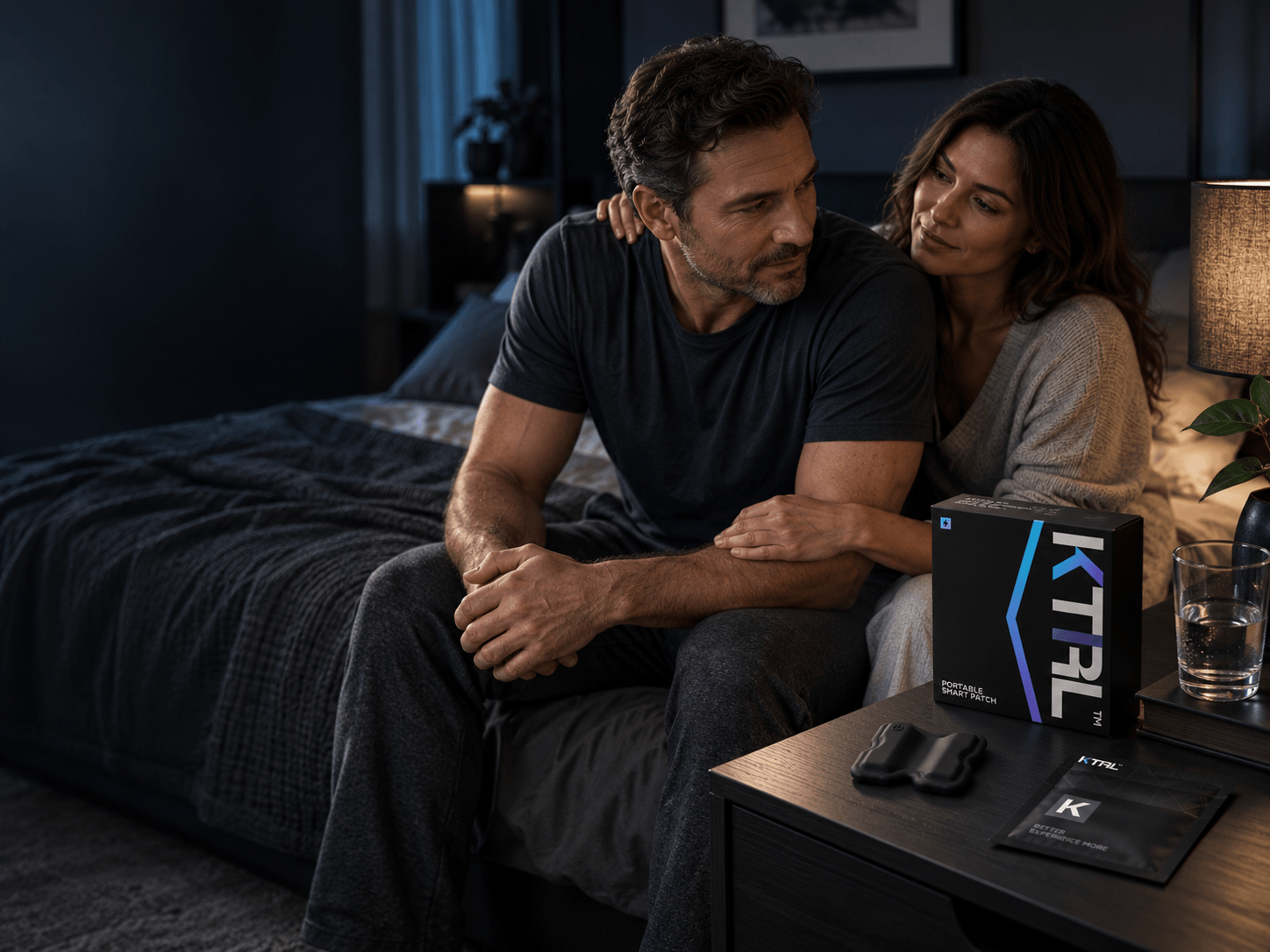
KTRL can be considered together when the intended adult wearer freely chooses the product, both partners understand its rhythmic sensory role, and the couple agrees on comfort, privacy, pause language, and a no-score first-session goal. A respectful purchase feels like shared curiosity—not a correction, surprise, or test of one person's body.
Framing determines how the product invitation feels
A partner may discover KTRL Portable Smart Patch and think its compact, one-session sensory format could add something new to a private routine. The invitation works best when it begins with curiosity:
“I found a self-contained patch that adds rhythmic physical sensation. Would you like to review it together and decide whether the format interests you?”
Avoid leading with a complaint about erection, timing, desire, masculinity, or partner satisfaction. Those concerns deserve their own accurate conversation. The product discussion should answer, “Do we want to explore this optional sensory format?”
Separate the buyer, wearer, and partner roles
Role | Main decision | Responsibility |
Buyer | whether to place and pay for the order | verify product, pack, checkout, and shipping details |
Wearer | whether and how to use the patch | read the guide, choose the setting, monitor comfort, pause or stop |
Partner | whether and how to join the shared context | communicate preferences and respect wearer choice |
One person may hold more than one role, but the wearer always owns the use decision. A purchase never creates consent to apply or continue using the product.
Agree on the product's role
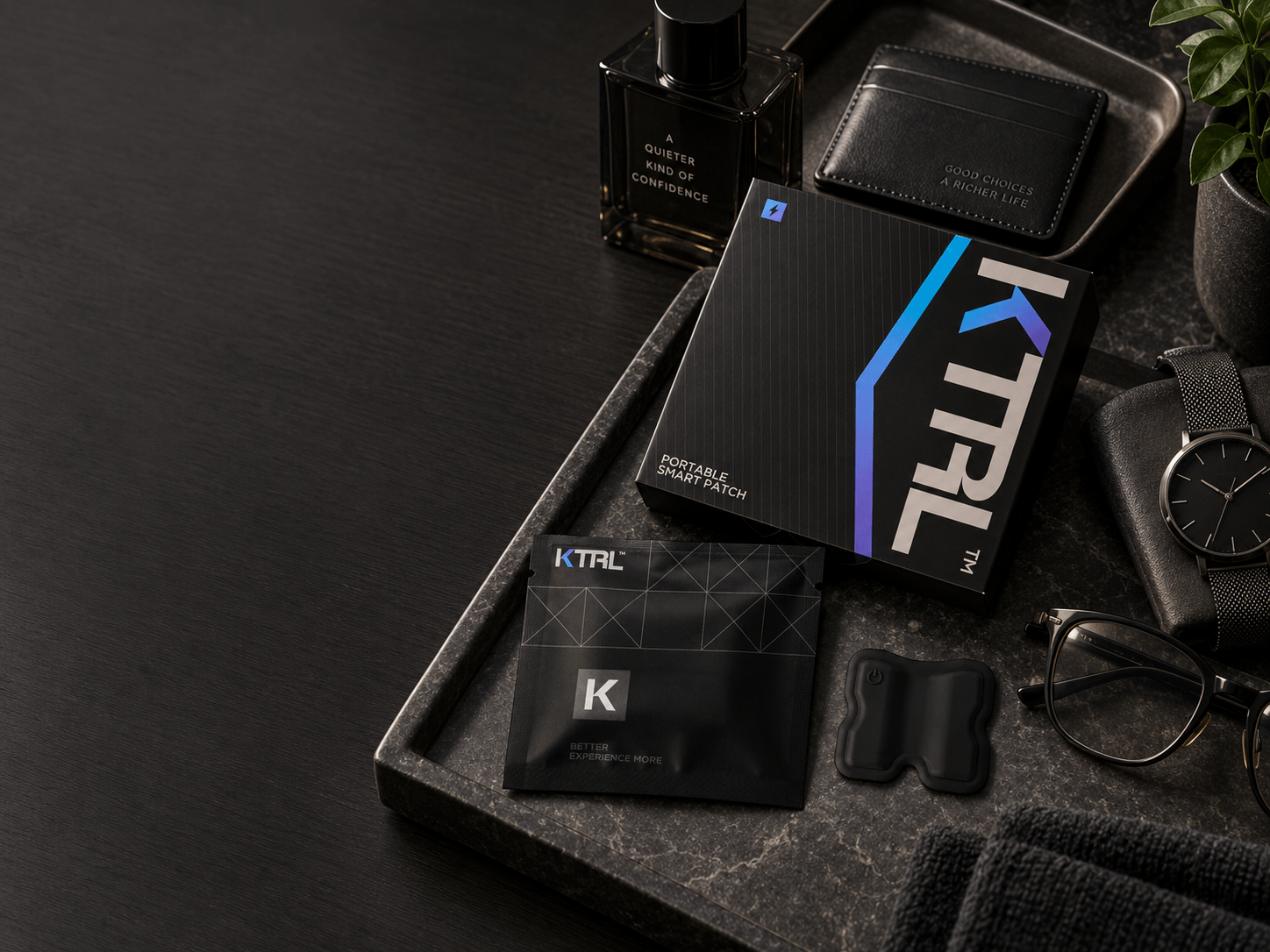
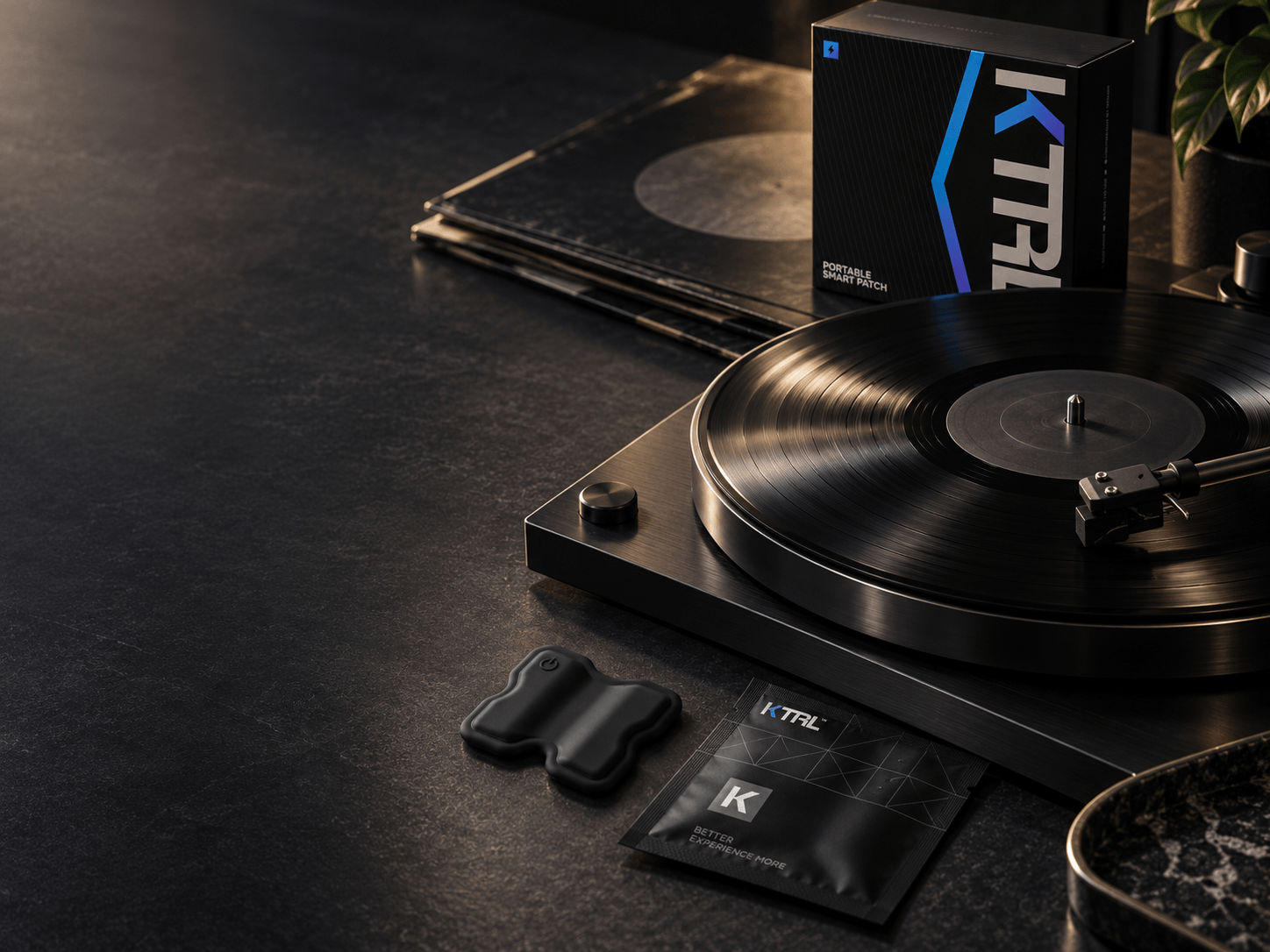
The official page describes KTRL as a single-use wearable that uses controlled electrical pulses through external skin contact to create rhythmic physical sensation. It is self-contained, app-free, and intended for a session of up to 30 minutes (KTRL product page).
Choose a positive shared purpose:
· explore a repeating sensory cue;
· make a private routine feel more deliberate;
· create clearer language around pace and pauses;
· add a compact one-session experience to a planned moment;
· learn whether the format suits the wearer and couple.
The purpose should be understandable to both people before checkout.
Use the buyer-wearer-partner agreement
Complete these sentences together:
1. Interest: “We are considering KTRL because…”
2. Wearer choice: “The wearer wants to explore…”
3. Partner role: “The partner would like to participate by…”
4. Privacy: “We will store, prepare, and dispose of it…”
5. Pause language: “Our words for slower, pause, and stop are…”
6. Session goal: “We will review comfort, sensation, and communication rather than…”
7. Next decision: “Afterward, we will choose whether to repeat, wait, or ask a question.”
If the couple cannot complete the wearer-choice or pause-language line comfortably, return to conversation before ordering.
Before the session: plan without scripting a result
Read the printed guide together if the wearer wants company. Confirm the package is intact, choose a private setting, prepare clean, dry, intact skin, and allow enough time for a session that may last up to 30 minutes.
The current KTRL support page lists additional use restrictions involving implanted electronic devices, diagnosed heart conditions, pregnancy, irritated or damaged skin, wet environments, driving, sleeping, exercise, and machinery (KTRL support). Address health or compatibility uncertainty before opening the patch.
Agree that either person can change plans. The wearer controls the patch; both people control their participation in the wider intimate activity.
During the session: communicate instead of supervise
The partner's role is communication, not monitoring sexual performance. Use simple check-ins:
· “Comfortable?”
· “Same pace, slower, different, pause, or stop?”
· “Would you like words, quiet, or space?”
· “Do you want me involved in the next step?”
The wearer might say:
· “The rhythm is clear, and I want to continue.”
· “I want to adjust the wider activity.”
· “I am ready to pause.”
· “I want to end the session now.”
These choices keep agency active throughout the experience.
After the session: review fit without blame
Ask each person the same four questions:
1. Was the preparation clear and manageable?
2. How did the sensory rhythm feel to the wearer?
3. Did communication and pause language work for both people?
4. Would either person choose this shared routine again?
If answers differ, neither person wins. A partner may enjoy the intentionality while the wearer feels uncertain about sensation, or the wearer may value the format while the partner prefers a different role. The next decision should reflect both sets of boundaries.
A peer-reviewed meta-analysis found that sexual communication is positively associated with sexual and relationship satisfaction, with communication quality particularly relevant (PubMed). That association supports careful dialogue; it does not turn communication into a promised outcome.
Handle hesitation without creating pressure
ISSM-reviewed education on desire discrepancy emphasizes open, nonjudgmental communication, boundaries, consent, and freedom from pressure in each sexual encounter (ISSM).
If the wearer says “maybe,” ask what information is missing. If the answer is “no,” accept it without bargaining, sulking, or buying the product as a surprise. The couple can remain close without agreeing on every product or activity.
Choose a pack together
A first shared exploration may fit one patch. A returning couple with several clearly planned sessions may prefer the 3-Patch Pack. At verification, the official page showed both pack choices; One Patch or Three? compares current price, session count, storage, and reorder convenience.
The wearer should agree with the quantity because several patches can signal practical planning or unwanted expectation depending on how the choice is made.
Protect privacy during purchase and storage
KTRL Support states that international shipping is available to selected destinations and that optional plain outer packaging appears where available at checkout. Shipping methods, costs, destination eligibility, and customs details vary (KTRL support).
Agree on delivery address, parcel access, storage location, and whether the product purchase is private or shared information. Privacy should protect dignity without becoming secrecy that creates mistrust.
Make the shared decision
If the wearer is interested and both people agree on the product role, boundaries, and first-session plan, review current KTRL product details, pack options, and availability together. If either person needs more time, join the email list and revisit the decision without a deadline.
KTRL Portable Smart Patch is a consumer lifestyle product for adult external use; it is not intended to diagnose or treat a medical condition, individual experiences vary, and users should follow the printed instructions and seek qualified professional advice for persistent or distressing concerns.
Frequently asked questions
Can I buy KTRL for my husband or boyfriend?
Yes, as a purchase, while the intended wearer should review the product and freely choose whether to use it.
Should KTRL be a surprise gift?
An advance conversation better protects consent, expectations, pack choice, and product fit.
What should the partner do during use?
Follow the wearer's chosen level of involvement, use agreed check-ins, and remain attentive to both people's consent and comfort.
What if one partner wants to reorder and the other does not?
Separate ownership and shared activity. The wearer may decide about personal use, while any shared sexual context still requires both partners' agreement.
Comments (0)
Please login to comment.
No comments yet.