After a Difficult Sexual Experience: A No-Blame Reset
A practical, no-blame framework for talking through disappointment, reducing pressure, and deciding what comes next.

After a consensual sexual experience feels disappointing, pause before assigning fault. Describe what happened in neutral language, reassure each other about the meaning you can honestly clarify, identify whether it was one event or part of a pattern, and choose one small next step. The first goal is emotional safety and accurate information—not an immediate performance retry.
First, confirm what kind of experience this was
This reset is for consensual adult intimacy that became awkward, disappointing, or tense. If consent was absent, someone froze or felt unable to choose, a stated boundary was ignored, or the experience involved coercion or violence, prioritize immediate safety and trauma-informed local support. A couple script should never be used to negotiate away a safety concern.
When the experience was consensual but difficult, the problem may involve erection, ejaculation timing, desire, orgasm, pain, a partner reaction, or several of these at once. NIDDK notes that clinicians ask about erection, desire, ejaculation, and climax separately because they are different parts of sexual function (NIDDK).
Use the five-step no-blame reset
Step | What to do | Example language |
Pause | end the performance test and regulate | “Let us stop and take the pressure off.” |
Describe | name observable events | “My erection changed,” or “I finished earlier than I wanted.” |
Reassure | correct one honest interpretation | “This moment was difficult, but it was not a judgment of your attractiveness.” |
Map | identify event, pattern, context, and impact | “Has this happened before, and what else was going on?” |
Choose | select one next step | affection, space, a later talk, observation, or qualified guidance |
The sequence keeps the body event, the emotional reaction, and the next decision from collapsing into one accusation.
Pause before trying to fix the moment
Continuing immediately can feel like a demand to erase what happened. Either person may choose to stop, change direction, have nonsexual affection, or take space. Consent remains current even when intimacy has already begun.
Try:
“I care about us, and I do not want either of us to prove anything right now. Would you prefer closeness, space, or a short check-in?”
If emotions are intense, agree on when the conversation will resume. “Later” is clearer when it becomes “tomorrow after breakfast” or another realistic time.
Describe the event without turning it into identity
Use one observable sentence. Avoid labels such as broken, cold, inadequate, or sexually incapable.
· “I wanted intimacy, and my erection was inconsistent.”
· “I ejaculated sooner than I hoped and felt embarrassed.”
· “My desire was lower than I expected.”
· “I became anxious and stopped communicating.”
· “Your reaction hurt, and I withdrew.”
One erection difficulty does not establish a recurring disorder. One early ejaculation does not establish premature ejaculation. The EAU guideline evaluates ejaculation concerns through timing, perceived control, distress, interpersonal difficulty, onset, and context—not one event alone (EAU).
Reassure without making promises about the body
Reassurance should clarify relationship meaning, not predict the next erection or ejaculation time.
The man might say:
“I was interested in being close to you. My body response changed, and then I felt exposed. I want to understand it without blaming either of us.”
The partner might say:
“I felt disappointed and uncertain, but I do not want to use your body response as a measure of your worth or my attractiveness.”
The ESSM position statement describes embarrassment, self-esteem, partner communication, conflict, and relationship context as relevant in erectile-difficulty experiences (ESSM). These factors may shape the experience; they do not prove a single cause.
Watch the attention-avoidance loop
After one difficult experience, both people may begin monitoring the next encounter. The man watches his erection or timing. The partner watches for signs of rejection. This attention increases pressure, so one person avoids intimacy. The other interprets avoidance as confirmation that the relationship is in trouble.
Interrupt the loop with a shared name:
“I think we are both watching for failure and then protecting ourselves by pulling away. Let us treat that as a pattern we can discuss, not evidence that either person is the problem.”
When Erection Difficulties Create Distance at Home explains how silence can spread into everyday household tension.
Map the event before choosing a solution
Ask five questions outside the bedroom:
1. Function: Was the main issue desire, erection, ejaculation, orgasm, pain, or communication?
2. Pattern: Was this isolated, occasional, or recurring?
3. Context: Were stress, fatigue, alcohol, privacy, conflict, novelty, illness, or medicine changes present?
4. Impact: Is either person still distressed, avoiding affection, or feeling pressured?
5. Change: Was this a sudden difference from the person's usual experience?
This map organizes the next step without diagnosing. Use ED, Premature Ejaculation, Low Libido, or Anxiety? when the main signal is unclear.
Choose one next step, not a complete life plan
An isolated event with low distress may call for context, patience, and a lower-pressure next encounter. A recurring, sudden, painful, or distressing pattern may deserve qualified medical or sexual-health guidance. Persistent relationship conflict may benefit from a licensed relationship or sexual-health professional.
A peer-reviewed meta-analysis found that sexual communication is positively associated with sexual and relationship satisfaction, with communication quality particularly relevant (PubMed). That association supports careful conversation; it is not a promise that one discussion resolves every concern.
Build the next private routine around choice
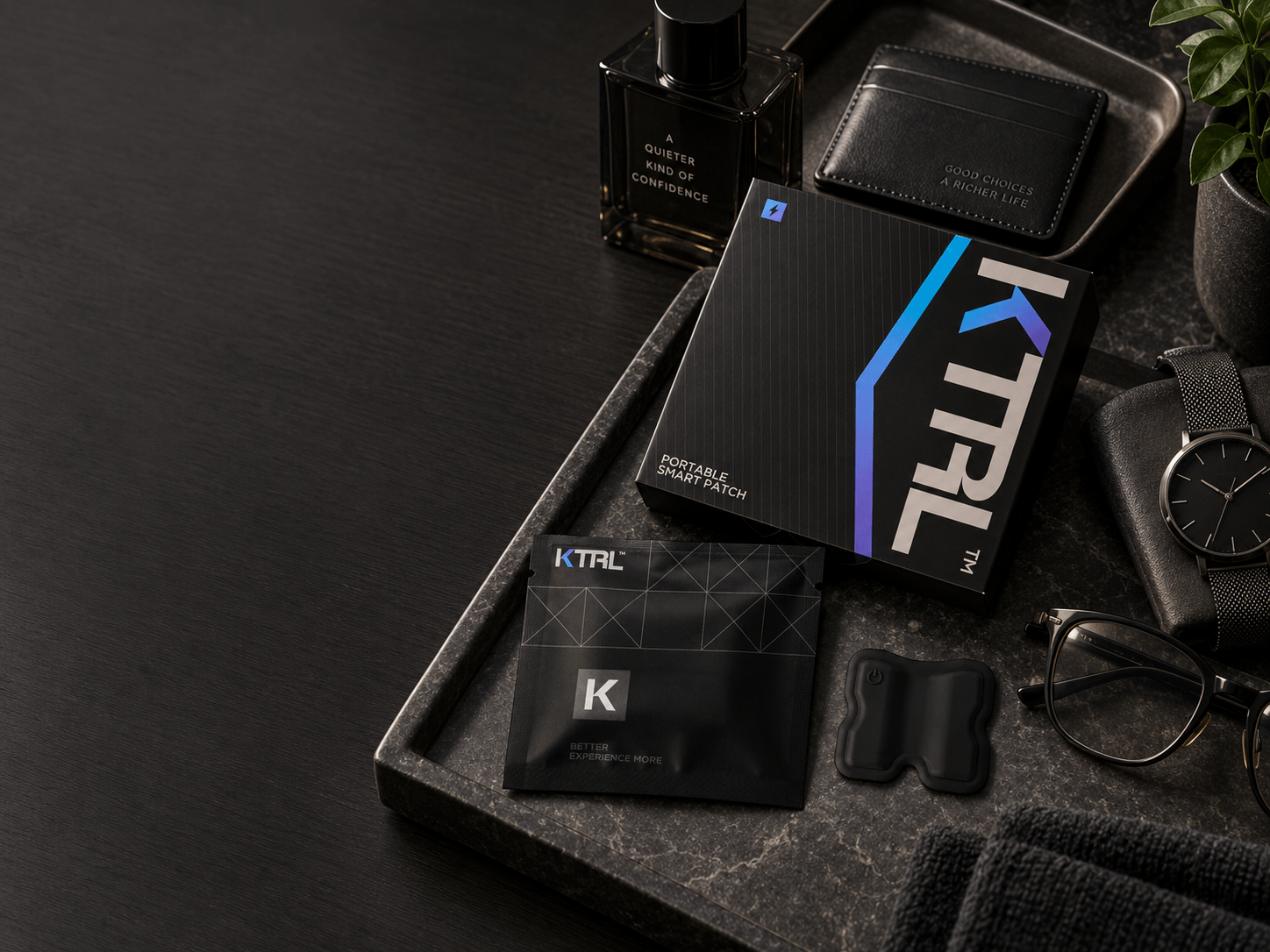
The discreet adult wellness routine guide can help organize privacy, preparation, and expectations. KTRL's rhythmic physical sensation and one-session format can be considered as an optional part of a deliberate adult routine when sensory awareness matches the user's goal. Keep the first purpose simple: follow the instructions, notice comfort, and communicate.
Join the email list for no-shame education, conversation cards, and verified KTRL information.
KTRL Portable Smart Patch is a consumer lifestyle product for adult external use; it is not intended to diagnose or treat a medical condition, individual experiences vary, and users should follow the printed instructions and seek qualified professional advice for persistent or distressing concerns.
Frequently asked questions
Should we try again immediately?
Only if both people freely want to. Affection, a pause, changing direction, or stopping are equally valid choices.
What if my partner will not talk about it?
Offer a specific, limited invitation and respect the need for time. Repeated punishment, ridicule, or refusal to respect boundaries may require outside support.
How do I stop feeling embarrassed after finishing early?
Name the event precisely, separate it from identity, and assess whether it was one variable experience or part of a recurring pattern.
When should the reset include professional help?
Consider qualified help for persistent or sudden changes, pain, medicine or health questions, significant distress, or relationship conflict that remains stuck.
Comments (0)
Please login to comment.
No comments yet.