You Are Not Broken: Separating Sexual Function From Masculinity
Why sexual changes do not measure manhood—and how to replace shame with specific language, values, boundaries, and appropriate next steps.

A change in desire, erection, ejaculation, or orgasm can be upsetting. It still does not decide whether you are strong, desirable, dependable, masculine, or worthy of love. Sexual function describes parts of a body-and-mind experience; masculinity is a much wider identity shaped by values, relationships, culture, and personal choice.
Name the function before judging the person
“I am not a real man” is an identity conclusion. It contains no useful health detail. Replace it with a specific observation:
· “My desire has been lower than usual.”
· “I wanted intimacy, but my erection changed.”
· “I ejaculated earlier than I wanted.”
· “I had difficulty reaching orgasm.”
· “I became anxious and withdrew.”
NIDDK's diagnostic guidance separates erection, sexual desire, ejaculation, and climax in the clinical history (NIDDK). Specific language helps you choose the right information instead of treating every concern as one vague failure.
The function-identity-values reset
Layer | Example | Constructive response |
Function | “My erection did not remain.” | observe pattern and context |
Interpretation | “My partner will think I am weak.” | ask what the partner actually felt |
Identity judgment | “I am less of a man.” | refuse to turn one function into total worth |
Value | honesty, care, courage, responsibility | choose one action that expresses the value |
The action might be a calm conversation, accurate reading, a health appointment, an apology for withdrawing, or a boundary against ridicule. Values are demonstrated through choices, not through constant body performance.
Where the “real man” rule comes from
Some social scripts equate masculinity with constant readiness, automatic erections, long duration, control, silence, or sexual experience. These expectations leave little room for health, mood, medication, aging, stress, relationship context, or normal variability.
An ESSM position statement describes erectile dysfunction through biological, psychological, and relationship factors and notes that embarrassment, confidence, blame, and communication can affect experiences and care (ESSM). A recent qualitative synthesis also identifies masculinity pressure, stigma, and self-silencing as themes in men's accounts, while noting limitations in the evidence base (PubMed).
These findings do not mean every man experiences the same pressure. They show why the rule deserves examination rather than obedience.
Men define masculinity more broadly than sexual stereotypes suggest
The multinational MALES study included men from several countries, including the United States and Mexico. Participants placed strong importance on qualities such as honor, respect, and self-reliance, while stereotyped sexual markers were not the whole definition of masculinity (PubMed). The survey was self-reported and should not be treated as a universal cultural verdict.
Still, it offers a useful prompt: if respect and responsibility matter to you, then honest communication and appropriate care may express masculinity more clearly than hiding a concern to protect an image.
Silence can turn shame into family tension
When a man thinks he must solve everything alone, he may avoid touch, become irritable, work later, or reject conversation. A partner may read the distance as loss of love or attraction. Both people then react to an unspoken rule rather than the original sexual concern.
Try:
“I have been treating this sexual change as a judgment of my manhood, and that shame made me pull away. I want to talk about the specific concern without blaming you or myself.”
The partner can respond:
“I care about how this has affected you and us. I will not use your body response as an insult. I also want us to protect communication and affection.”
Read When Erection Difficulties Create Distance at Home if avoidance has spread into household conflict.
Strength does not require pretending nothing matters
“Do not care” is not the only alternative to shame. You can acknowledge disappointment without making it your identity. You can seek information without becoming obsessed with performance. You can accept support without giving away personal agency.
Use this sequence:
1. Describe: What happened, without insult?
2. Contextualize: Was it one event or a pattern? What else changed?
3. Communicate: What does a partner need to know, and what boundary is needed?
4. Decide: Is observation, education, a private routine, or qualified guidance appropriate?
5. Return to values: Which action reflects the man you choose to be?
Choose accurate education for the specific concern
Use What Is Erectile Dysfunction? for a recurring erection concern, What Is Premature Ejaculation? for a timing-and-control pattern, and What Does Low Libido Mean in Men? when desire itself has changed.
One event may call for context rather than a label. Persistent, sudden, painful, or distressing changes—and changes associated with medicine, mood, illness, urinary symptoms, or other sexual-function concerns—deserve qualified health guidance. Do not stop prescribed medicine on your own.
Protect yourself from ridicule and coercion
Neither a partner, friend, marketer, nor family member should use a sexual concern to humiliate you. Set a clear boundary:
“We can discuss the impact, but I will not continue a conversation that uses my sexual function to question my worth.”
This boundary does not erase a partner's needs. It creates the basic respect required to discuss them. If there is coercion, fear, or violence, prioritize safety-focused local support.
Build a routine around agency
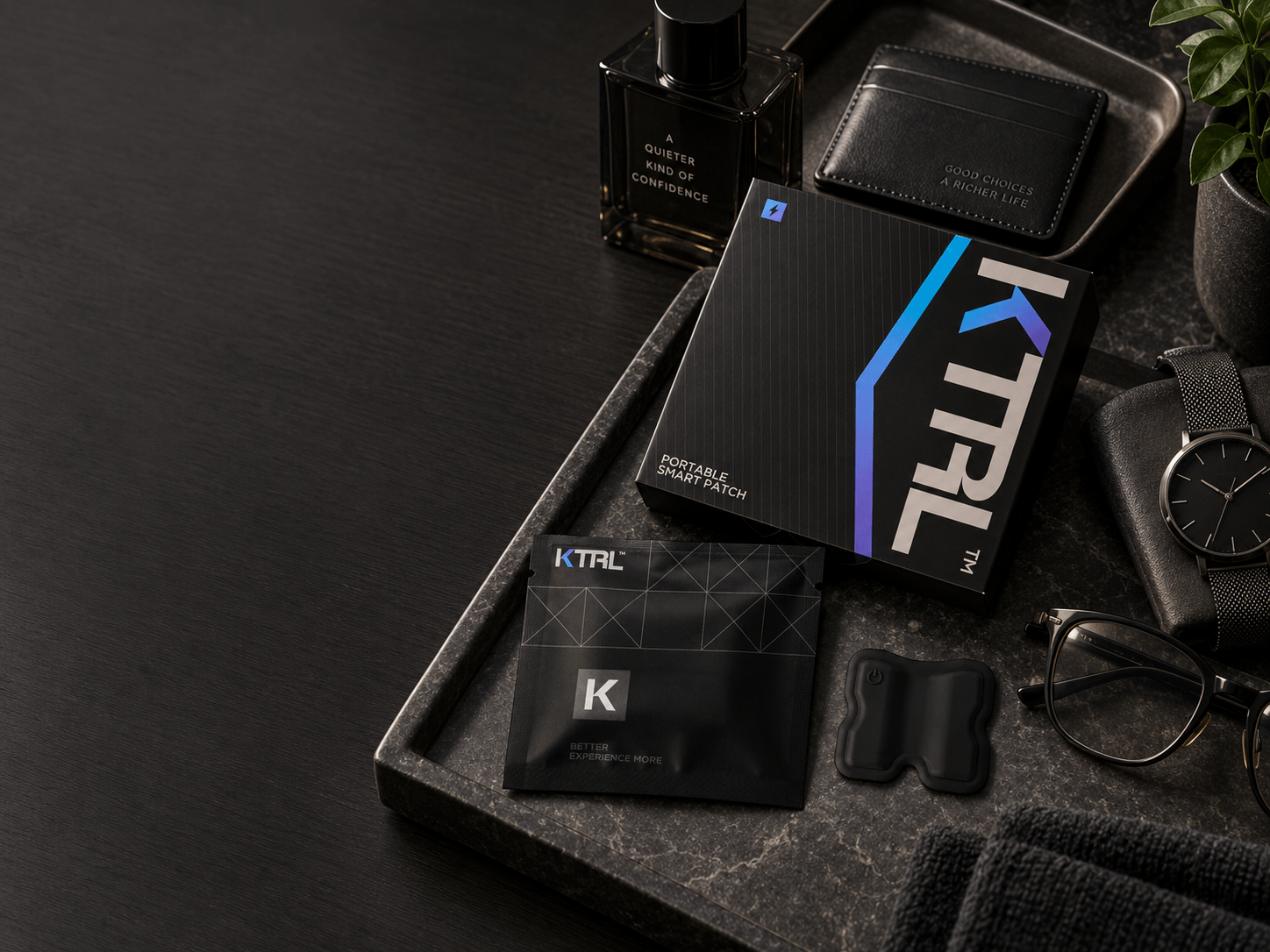
A self-directed adult routine can reinforce privacy, preparation, and personal choice. The discreet male wellness routine guide explains how to organize timing and instructions. KTRL's rhythmic physical sensation and one-session format can be considered as an optional part of that private routine.
Join the email list for practical, no-shame sexual-wellness education and verified KTRL information.
KTRL Portable Smart Patch is a consumer lifestyle product for adult external use; it is not intended to diagnose or treat a medical condition, individual experiences vary, and users should follow the printed instructions and seek qualified professional advice for persistent or distressing concerns.
Frequently asked questions
Does erectile dysfunction make someone less masculine?
No. An erection concern is a specific sexual-function issue, not a measure of identity, character, responsibility, or worth.
What if my partner questions my manhood?
Name the impact, reject humiliation, and return to the specific concern. Qualified relationship support may help if respectful communication cannot be restored.
Is seeking help a sign of weakness?
Seeking accurate information and qualified care can be a responsible response to a persistent, sudden, or distressing change.
How is this different from positive thinking?
The reset does not deny the concern. It separates observable function from identity and directs attention toward communication, context, values, and appropriate next steps.
Comments (0)
Please login to comment.
No comments yet.